
Discover Package-Free Pantry Picks

Step into a lighter, brighter kitchen where jars sing, labels actually help, and habits make a difference. Today we dive into Package-Free Pantry Picks, celebrating bulk staples, smart containers, and waste-cutting routines that protect your budget and the planet. Expect practical tips, tasty ideas, and real stories that show how small changes—like refills, tare weights, and organized shelves—create effortless, everyday sustainability without sacrificing flavor, convenience, or joy.

Start Strong: Stocking the Essentials

Beginning with intention helps you avoid overwhelm and impulse purchases. Map your usual meals, list the staples you actually cook with, and explore nearby bulk shops or markets. Learn tare practices, store policies, and seasonal availability so you choose reliable items first. With a short starter list—grains, beans, spices, nuts, and baking basics—you’ll build momentum, cut packaging dramatically, and gain confidence with every jar you fill and every delicious, low-waste meal you share.

Bulk Basics to Buy First

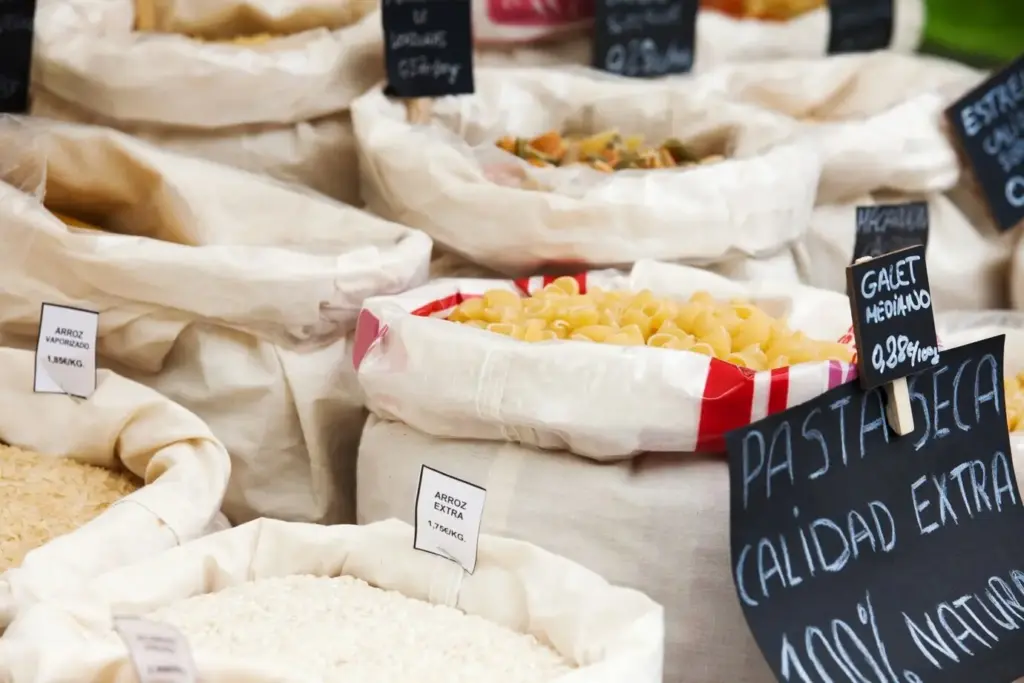
Focus on versatile workhorses that anchor many meals: rolled oats, rice, lentils, chickpeas, pasta, flour, sugar, salt, and a couple of favorite spices. These ingredients stretch across breakfasts, soups, salads, bakes, and snacks. Start small, refill consistently, and watch how a handful of well-chosen foods stabilizes your routine, reduces decisions, and keeps your pantry reliable, welcoming, and beautifully simple without relying on single-use packaging.

Finding Local Refill Options

Search neighborhood refilleries, food co-ops, farmers’ markets, and cultural groceries that encourage bringing containers. Ask about bulk days, special orders, and community discounts. Many shops share tare policies, storage advice, and recipe ideas, helping you build skills while shopping. Explore rotating selections early in the week for the freshest options, and connect with staff who can guide you toward dependable suppliers, seasonal features, and sustainable swaps that genuinely fit your household’s habits and tastes.

Creating a Zero-Waste Shopping Routine

Design a simple pre-trip checklist: clean containers, recorded tare weights, a short list, and a flexible backup option. Schedule refills alongside errands so it becomes effortless. Keep a small kit in your bag—produce sacks, jar markers, a compact funnel—so opportunistic stops are easy. When your routine supports your goals, you’ll experience fewer forgotten items, better budgeting, and a natural rhythm that keeps shelves organized and packaging consistently out of your home.

Containers, Labels, and Safe Storage

Great storage safeguards freshness, prevents waste, and turns your shelves into a calm, inspiring workspace. Choose containers that stack neatly, seal tightly, and reveal contents at a glance. Consider humidity, light, and pests, matching materials to ingredients. Clear, consistent labels save time, reduce duplication, and help household members cook confidently. Treat your shelves like a working library where everything has a purpose, a spot, and a plan for quick refills and easy rotation.

Budget Wins Without the Packaging

Buying in bulk can lower unit costs, minimize waste, and reduce emergency takeout. Track unit prices, rotate shopping between stores strategically, and avoid overfilling rarely used items. A simple spreadsheet or notebook helps you notice patterns, plan ahead, and prevent splurges. With a realistic menu, leftovers that transform, and containers that measure accurately, you’ll spend smarter, waste less, and turn your pantry into the most reliable savings account in your kitchen.

Unit Pricing and Smart Comparisons

Compare grams-per-dollar or ounces-per-dollar, not sticker totals. Packaging often hides smaller quantities at higher prices. Bulk bins reveal true value, especially for spices, where a teaspoon can cost pennies instead of dollars. Note sales cycles, buy moderate amounts, and favor versatile staples that appear in multiple recipes. When you track a few benchmarks—rice, oats, beans—you’ll quickly sense fair prices, negotiate confidently, and recognize when convenience packaging is quietly draining your grocery budget.

Plan Once, Shop Once, Waste Less

Draft a weekly rotation that reuses ingredients across meals: a pot of beans becomes soup, tacos, and salad protein. Plan to refill before you run out, avoiding rushed, packaged purchases. Keep a magnetic fridge list capturing low jars so refills feel effortless. Batch soaking, cooking, and chopping supports busy evenings. With a little planning, you protect your time and money while ensuring your pantry consistently supports flavorful, low-waste cooking every single day.

Flavor, Freshness, and Nutrition

Package-free shopping can elevate flavor and nutrients when you choose whole ingredients and protect their freshness. Grind spices in small batches, rotate nuts and seeds, and soak beans to improve digestibility. Whole grains reward you with texture and depth, while bulk herbs inspire blends that outperform jars that sat for months. Careful storage, quick turnover, and playful experimentation turn your pantry into a tasting lab where health and joy meet every single day.

Reviving Spices and Blends

Buy small amounts, toast whole spices gently, and grind fresh for vibrant aroma. Blend cumin, coriander, smoked paprika, and garlic into a signature house mix that livens soups and roasted vegetables. Label heat levels and pairing notes so anyone can season confidently. Store away from light and heat to preserve oils. With thoughtful rotation and tiny refills, your cooking gains bold clarity, making every simple meal feel crafted, intentional, and irresistibly fragrant.

Whole Grains That Work Hard

Stock adaptable grains like short-grain rice, quinoa, barley, and bulgur. Soak or rinse appropriately for faster cooking and softer texture. Cook extra and chill to create salads, grain bowls, or fried rice tomorrow. Mix grains to balance flavor and nutrition, and use broths or spice blends for personality. Properly sealed containers and steady turnover safeguard freshness, ensuring your grains stay fluffy, nutty, and versatile enough to support breakfasts, lunches, and comforting dinners without boredom.

Cooking with Confidence

Turn shelves of simple staples into meals that feel abundant. Build pantry formulae—chili, curry, skillet pasta, overnight oats—that flex with whatever you have. Master a few cooking ratios and you’ll improvise effortlessly. Invite friends to taste-test, trade blends, and swap tricks. Every pot becomes practice, and each refill strengthens your skills. The result is a kitchen where creativity rises, costs fall, and packaging becomes a distant memory replaced by flavor-forward habits you love.

Community, Ethics, and Impact

Your pantry choices ripple outward. When you shop at refilleries and markets, you support local jobs, encourage ethical sourcing, and reduce demand for single-use plastics. Share your practices with neighbors, host a jar-swap, or post approachable tips online. Small, friendly actions invite participation and reduce perfection pressure. As more households refill, distributors listen, options expand, and sustainable habits become normal—proof that collective action often begins with one well-labeled jar and a welcoming smile.

Troubleshooting and Staying Motivated
Sustainable routines face real-life speed bumps—limited time, unexpected guests, or a store temporarily out of stock. Prepare flexible menus, keep a few quick-cooking backups, and maintain a calm re-stocking list. Treat hiccups as learning, not failure. When something feels clunky, simplify. Swap container sizes, revise labels, or streamline your refill route. Small refinements sustain momentum, protect your patience, and keep the joy alive, ensuring your package-free habits last longer than fleeting inspiration.
Mizozakuxerarezovezo
Privacy Overview

This website uses cookies so that we can provide you with the best user experience possible. Cookie information is stored in your browser and performs functions such as recognising you when you return to our website and helping our team to understand which sections of the website you find most interesting and useful.