Rise to Plastic‑Free Baking

Today we explore plastic‑free baking staples—flours, sugars, and leaveners—so you can stock a conscientious pantry without compromising flavor, texture, or budget. Discover sourcing strategies, smart storage, practical substitutions, and approachable recipes that celebrate paper, glass, and metal while avoiding plastic altogether, inviting you to bake boldly and tread lightly.

Why Packaging Choices Shape What Comes Out of the Oven

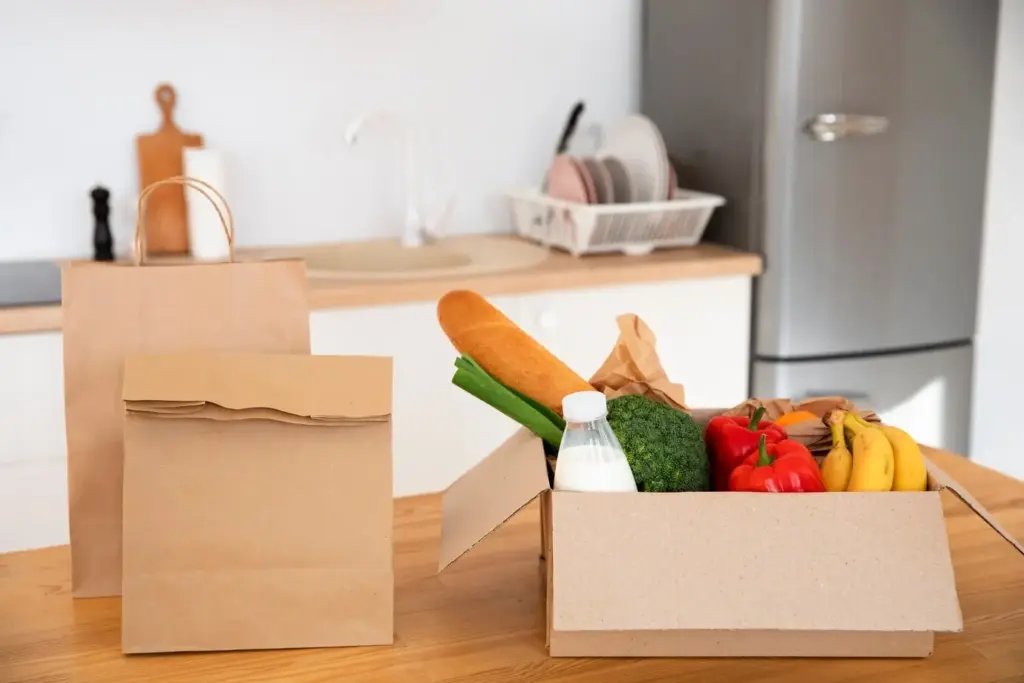
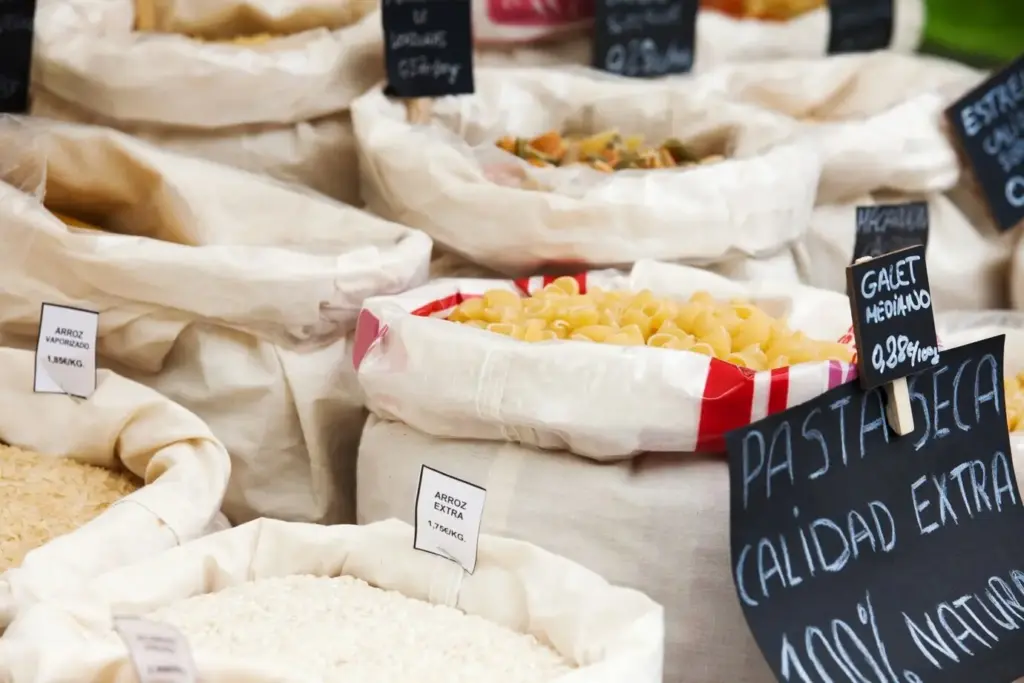
Many paper bags hide polyethylene liners or plastic viewing windows that complicate recycling and introduce unnecessary waste. Learn to pinch edges to feel slick coatings, check recycling symbols, and ask staff about liners in bulk bins. Choosing unlined paper, metal tins, or refill systems keeps materials circular, ingredients fresher, and your pantry free from unnoticed plastics that quietly add up over time.
Look for clear material disclosures, not vague green symbols. Phrases like unlined paper, steel can, aluminum tin, or glass jar indicate straightforward recycling. Certifications such as FSC for paper, or a deposit mark on glass, offer practical clues. Request specification sheets from mills when unsure, and share trusted brands with fellow bakers so collective knowledge grows alongside your bread, muffins, and cookies.
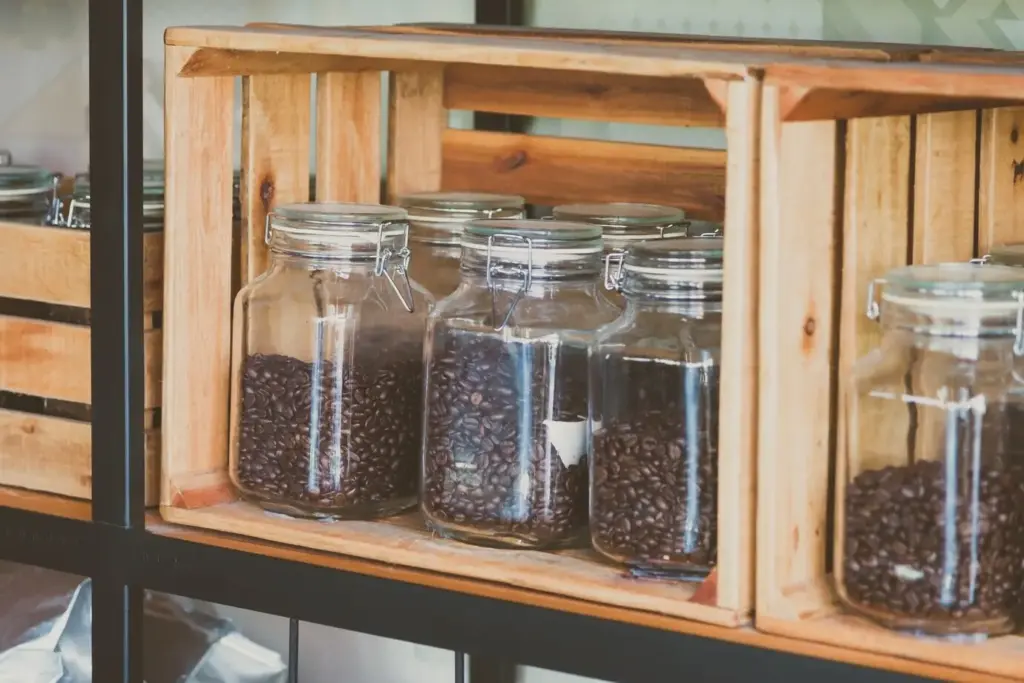
Plastic often masks staleness by trapping odors. Instead, choose fresher turnovers: buy smaller amounts more often, prefer recent milling dates, and store in tight‑sealing glass with metal lids. Keep humidity in check using cool cupboards, and freeze whole grains before grinding to deter pests naturally. Your reward is brighter flour aroma, cleaner sugar sweetness, and leaveners that create confident, even lift every time.

Flour Without Plastic: Sourcing, Types, and Performance
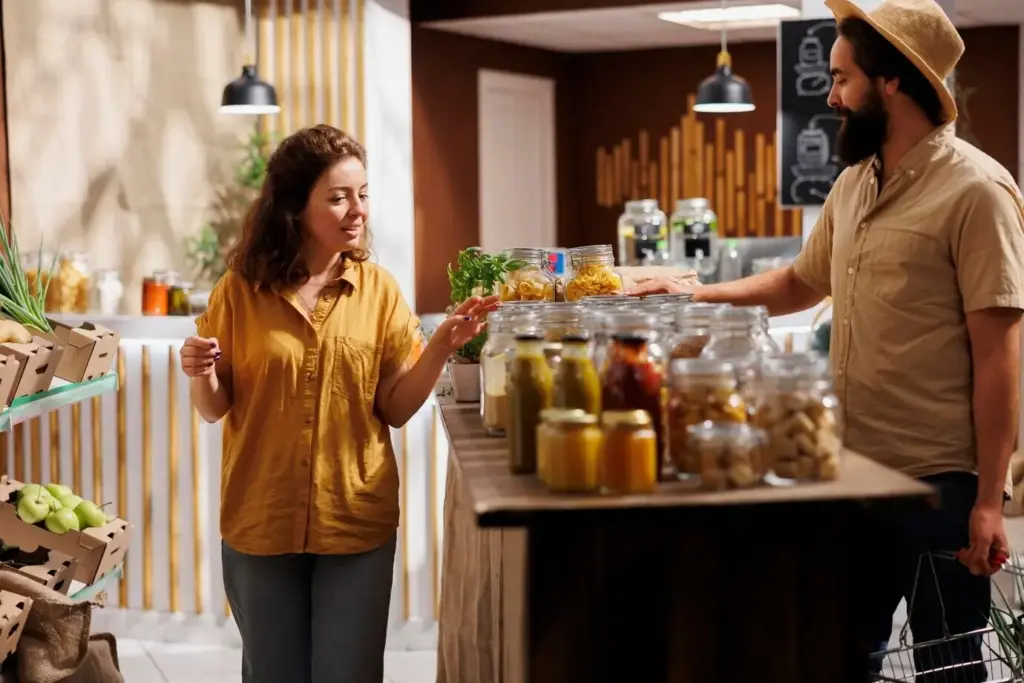
Finding flour in paper, tin, or refill systems can be simple with a plan. Visit local mills, co‑ops, and bulk stores that allow jar refills and tare weights. Compare protein percentages for bread, pastry, and cake, and explore stone‑ground options for flavor. Balance freshness with practicality, and document suppliers so you can repeat success. Share your finds to help others knead greener habits into everyday baking.

Sugars and Sweeteners Without Plastic Wrappers

From golden crystals to deep caramel notes, unrefined sugar options are plentiful in paper packaging and refill formats. Seek organic cane sugar in sturdy bags, maple sugar in tins, coconut sugar at refill stations, or jaggery blocks wrapped in paper. Store in glass to thwart humidity, and learn gentle substitution ratios so cookies retain chew, cakes stay moist, and caramel whispers complexity without unnecessary plastic anywhere nearby.

Avoiding Plastic Windows and Hidden Liners

Some sugar boxes include plastic windows or inner bags. Choose fully paper‑bagged options, metal tins, or bulk bins where you can see the back‑of‑house sack. Ask for packaging details before filling jars, and weigh prices per kilogram to compare fairly. A simple flashlight test helps detect glossy liners through seams. These small checks protect both your recycling stream and the straightforward sweetness of your bakes.

Jaggery, Rapadura, Maple Sugar, and Date Sugar

Whole sweeteners bring minerals and character. Grate jaggery blocks for sauces or melt into syrups, use rapadura for rustic cookies, try maple sugar in frostings that need dry sweetness, and date sugar for moist quick breads. Start with modest substitutions to learn moisture shifts and color changes. Most arrive in paper, tins, or bulk, giving you flavor depth alongside uncomplicated, plastic‑free storage in glass jars.

Preventing Clumps Without Plastic Silica Packs

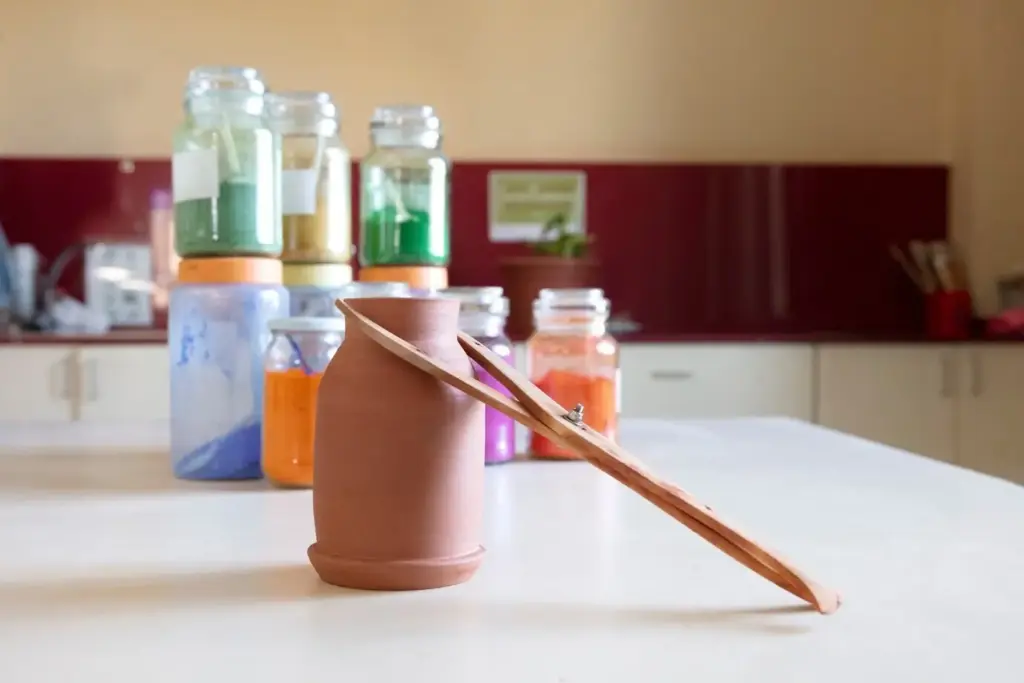
Humidity encourages clumping in natural sugars. Break up lumps with a wooden spoon, add a clean terra‑cotta sugar saver, or include a few dry rice grains inside a breathable sachet. Store jars away from the dishwasher’s steam path and stovetop humidity. If needed, briefly warm sugar in a low oven. These simple, non‑plastic strategies keep measurements accurate and creaming butter smooth all year.

Leaveners That Lift Without Waste

A dependable rise does not require plastic tubs or mystery films. Choose baking soda in cardboard boxes, baking powder in metal tins, and yeast in glass jars with reusable lids. Or skip packaged options by maintaining a lively sourdough starter. With correct storage, each method delivers predictable lift, clean flavor, and minimal waste, proving sustainability can be delightfully fluffy, crisp, chewy, and golden all at once.

Smart Baking Powder: Store‑Bought or DIY

Select aluminum‑free baking powder in tins when available, or make your own by combining two parts cream of tartar with one part baking soda and one part arrowroot or tapioca starch. Mix small batches to preserve potency. Store in a dry, lidded metal container, label clearly, and test with warm water fizz checks. This approach keeps packaging simple, traceable, and refreshingly honest about what makes your cakes soar.

Baking Soda, Potash Lore, and Kitchen Heirlooms

Baking soda in cardboard has powered cookies for generations. Earlier cooks relied on wood‑ash potash, a reminder that leavening once came from humble sources. Maybe you remember a dented tin on your grandmother’s shelf, always reliable. Honor that lineage with measured freshness tests and tidy storage habits. Practical rituals not only reduce waste but also weave your baking into a longer, meaningful story of resourcefulness.

Systems, Tools, and Storage That Keep Ingredients Singing

A thoughtful setup transforms good intentions into stress‑free habit. Allocate shelves for glass jars, add clear labels, and keep a small scale near your refill kit. Metal lids close reliably, funnels prevent spills, and breathable cotton bags transport bulk goods. Track tare weights in your phone, clean with vinegar and hot water, and schedule monthly inventory checkups so your plastic‑free pantry stays effortlessly dependable.

Refill‑Ready Countertop Flow

Create a landing zone with a foldable funnel, scoop, brush, and towel. Keep spare jars for surprise finds, and store a marker beside pre‑cut paper labels for quick updates. A nearby bin for paper offcuts and a magnetized lid opener streamline cleanups. When everything has a place, refills become quicker than scrolling for delivery, and your kitchen starts to feel like a cheerful, efficient little mill.

A Compact Bulk‑Shopping Kit

Pack nesting glass jars with metal lids, a lightweight cotton bag, chalk pencil for PLU codes, and a pocket scale if stores lack reliable tare systems. Add binder clips for rolled paper sacks, and a cloth wrap for jaggery blocks. Keep the kit by your door so errands become effortless. Consistency reduces impulse plastic purchases and strengthens relationships with stores that support careful, container‑friendly habits.

Cleanliness and Pest‑Wise Practices

To deter pantry moths naturally, freeze new flour for a few days before shelving, wipe cupboards with diluted vinegar, and deploy bay leaves or cedar blocks. Inspect gaskets, tighten metal lids, and rotate stock with first‑in, first‑out labels. Spills invite ants, so use a handheld brush after transfers. These simple, plastic‑free routines protect your ingredients, your time, and your peace whenever baking inspiration strikes.

Reliable Recipes and Ratios for Everyday Baking

Use flexible formulas that honor your sustainable staples and adapt to what you can source locally. Think whole‑wheat pancakes, quick soda breads, and cookies that embrace unrefined sugars. Emphasize baker’s percentages, simple mixing cues, and clear visual checkpoints. Share your results, swap flours confidently, and build a personal playbook so delicious outcomes become repeatable, waste stays low, and creativity grows alongside real‑world constraints.

Budget, Community, and Real‑World Momentum

Plastic‑free staples can be cost‑competitive when you compare unit prices, freshness, and reduced waste. Bulk co‑ops, mill subscriptions, and neighborhood sharing make paper, tin, and glass logistics simple. Ask stores to stock unlined sacks, introduce tare systems, and post milling dates. Your voice matters, especially when combined with neighbors who love bread, cookies, and crust as much as you do—invite them into the journey.

Share Your Wins, Questions, and Experiments

This space grows with your voice. Tell us where you found unlined paper sacks, which tins kept baking powder strongest, and how your sourdough behaved after switching mills. Ask questions, request tests, and suggest comparative bakes. Subscribe for seasonal guides, local mill interviews, and community challenges that turn small changes into lasting habits. Your feedback kneads this project into something warm, generous, and delicious.

Your Pantry Tour

Post a quick rundown of your jars, labels, and storage quirks. Which glass sizes work best, and how do you keep sugars from clumping? Show triumphs and hiccups honestly. Your snapshots help others avoid pitfalls and feel less alone while transitioning away from plastic. We will compile highlights, credit contributors, and keep refining checklists shaped by lived experience rather than perfect, staged photo shoots.

Ask a Sticky Question

Confused by a cryptic paper symbol, a bulk‑bin mystery, or a stubbornly flat loaf? Describe the brand, storage conditions, hydration, and timing. Our community can diagnose issues, from over‑aged baking powder to under‑developed gluten. Curiosity fuels better bakes and better systems. Together we transform uncertainty into shared learning, a rising tide that lifts pancakes, boules, brownies, and confidence in equal, satisfying measure.

Challenge: Seven Days, Zero Plastic Refills
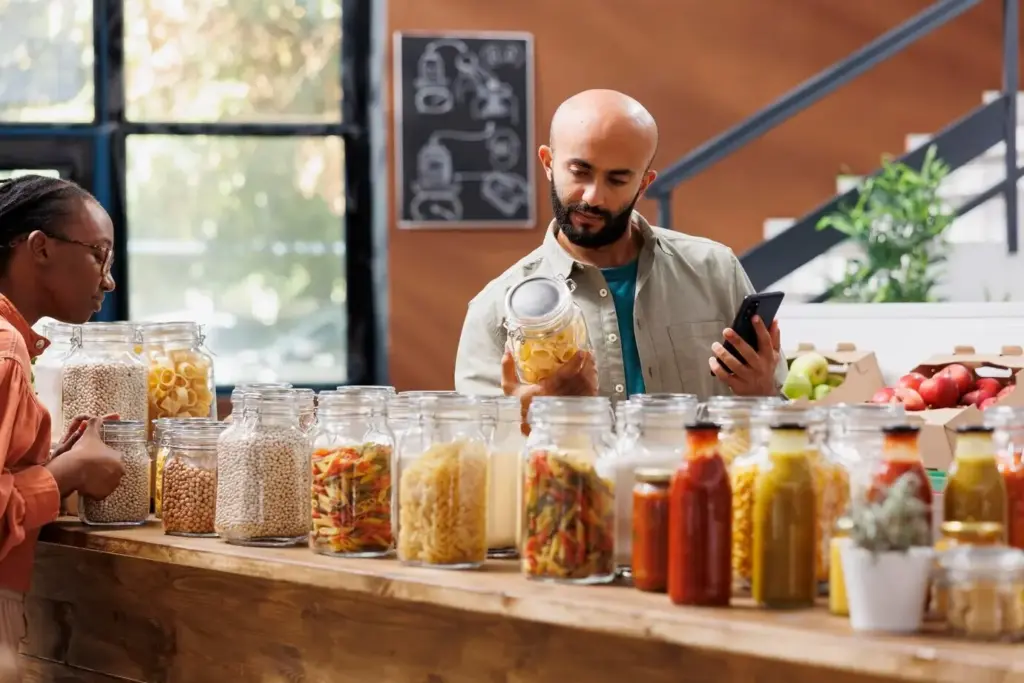
For one week, restock only with paper, tin, or glass. Track prices, waste, and baking results. Swap notes daily, share photos of receipts and jars, and celebrate resourceful hacks. At the end, we will publish takeaways, recommended stores, and recipe tweaks. Small experiments create momentum, proving that plastic‑free shopping is achievable, affordable, and—thanks to your creativity—surprisingly fun in the rhythm of real life.
Mizozakuxerarezovezo
Privacy Overview

This website uses cookies so that we can provide you with the best user experience possible. Cookie information is stored in your browser and performs functions such as recognising you when you return to our website and helping our team to understand which sections of the website you find most interesting and useful.