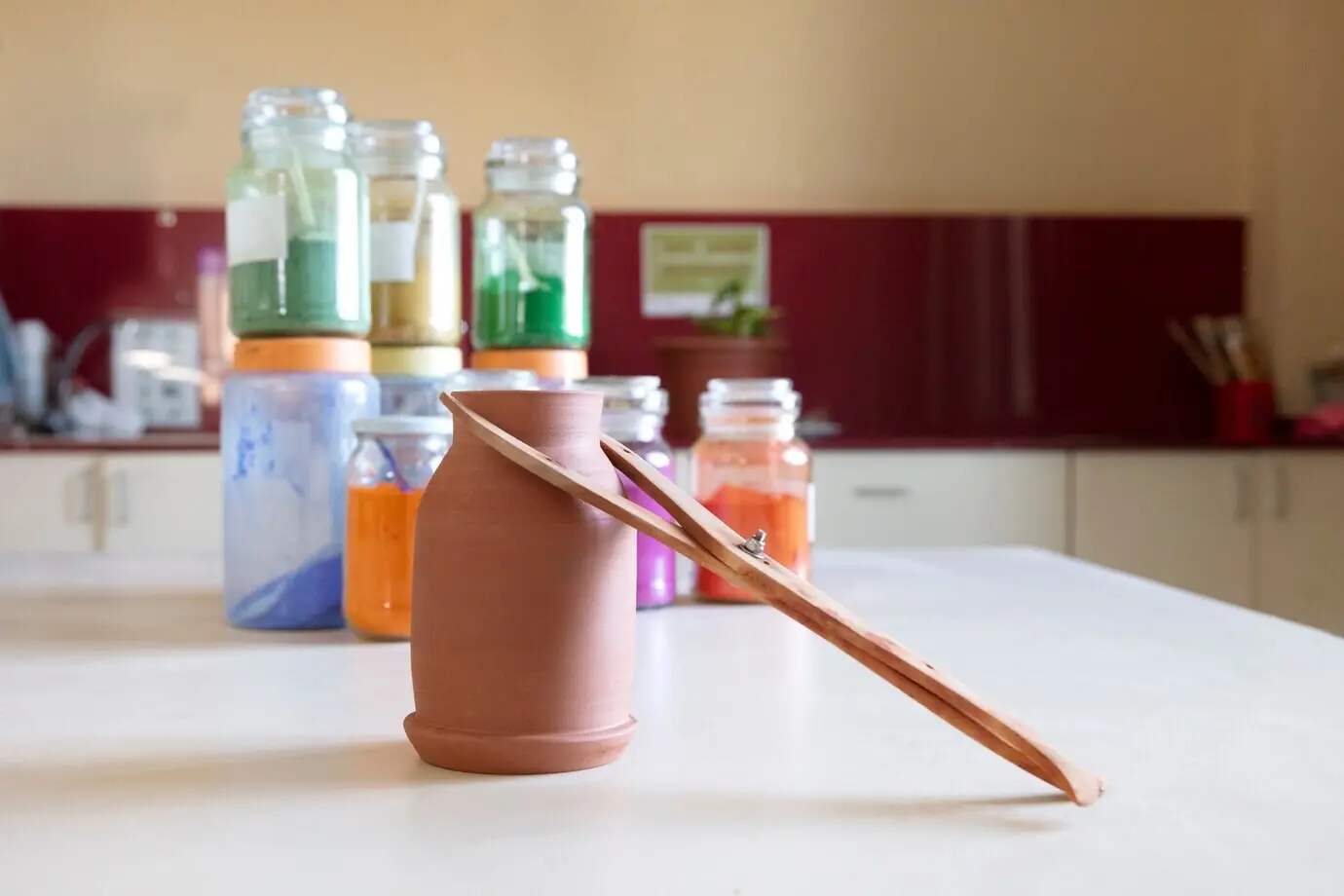
Transform Your Pantry with Smart Bulk Storage
Today we dive into smart storage for bulk goods—jars, labels, and organization—so every meal starts with clarity, freshness, and ease. We’ll pair practical systems with beautiful containers, reduce waste through better visibility, and create a flow that suits real family rhythms. Expect simple steps, honest lessons from messy shelves, and the satisfying click of an airtight lid that protects flavor, budget, and time. Share your wins and questions as you go, because an organized pantry always gets smarter together.
Start Fresh with a Purposeful Pantry Reset
Before buying jars or printing labels, pause to take stock of what you already own and how you actually cook. Pull everything out, note duplicates, and check stale dates. Group ingredients by function—breakfast grains, baking basics, snacks, and simmering staples. Measure shelves and door space, because fit determines success more than aesthetics. Plan donation and compost piles to minimize guilt and waste. A focused reset becomes a launchpad, turning chaos into a clear path where each container finally earns its spot.
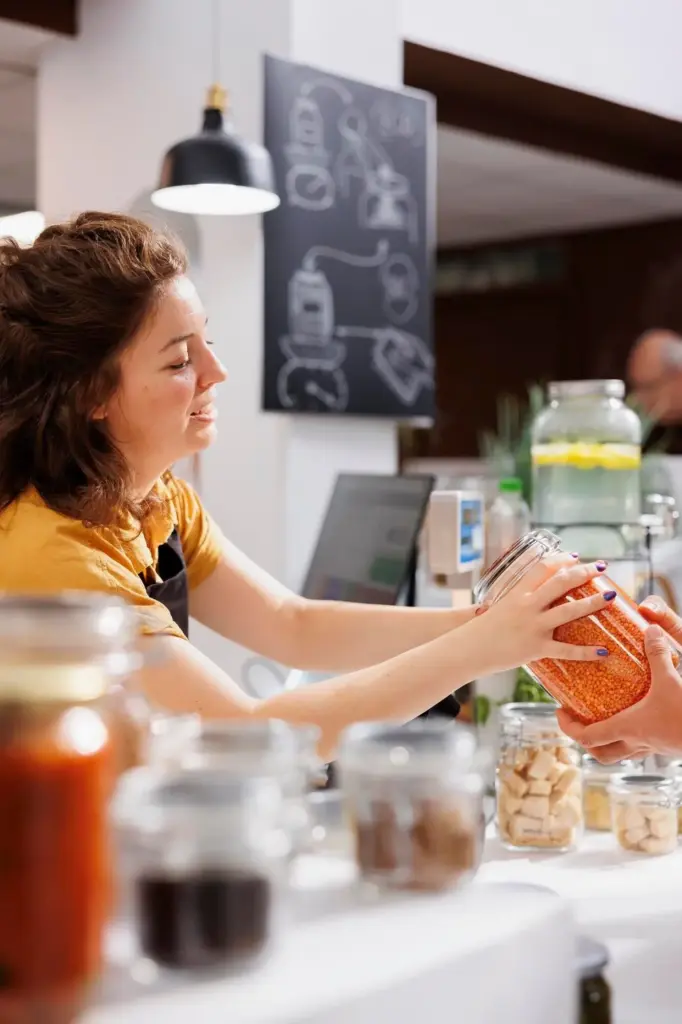
Map Your Space Before Moving Anything
Sketch a quick shelf map and mark heights, depths, and tricky corners you always forget. Capture which zones are easiest to reach and which are awkward or dark. When you plan around reality, not wishful thinking, your jars will actually fit, visibility improves, and daily cooking speeds up. Add a note for how you use the space during busy mornings versus lazy weekends. This map becomes a surprisingly faithful guide that keeps purchases intentional and prevents regret.
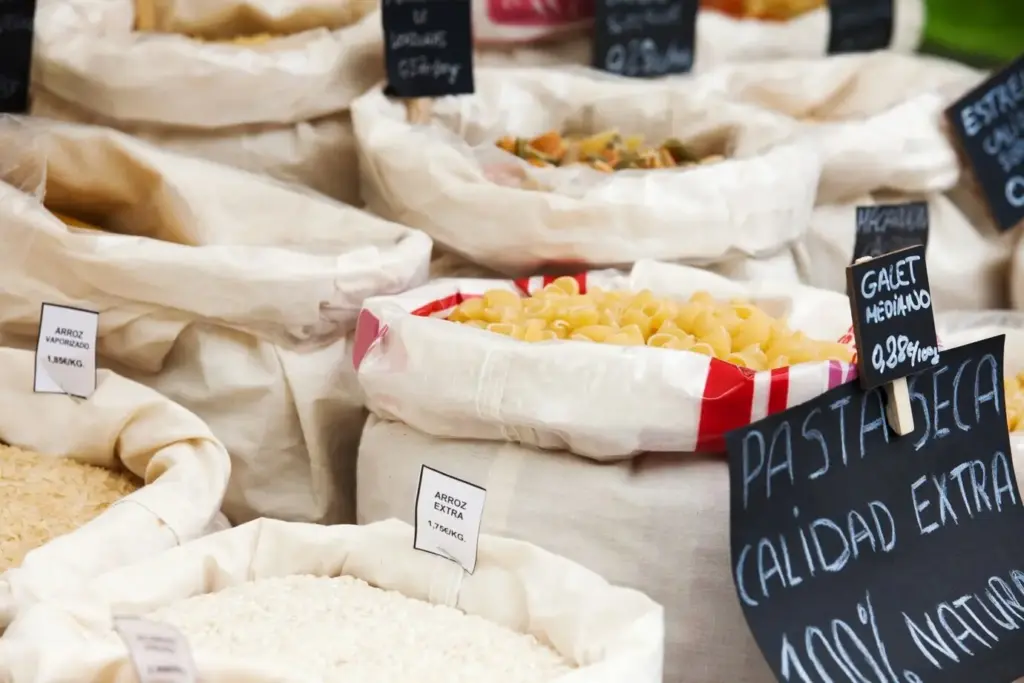
Sort by Use Frequency and Cooking Style
Place the most-used grains, nuts, and breakfast items at eye level where your hands naturally land. Baking items can live slightly higher, while seldom-used specialty flours can move up top. Consider your cooking style: if soup season rules your home, legumes deserve prime placement. Label a shelf for quick weeknight meals and another for slow rituals. This honest ranking helps your pantry serve you, not the other way around, turning everyday choices into effortless motions.
Choosing Jars That Protect, Fit, and Inspire
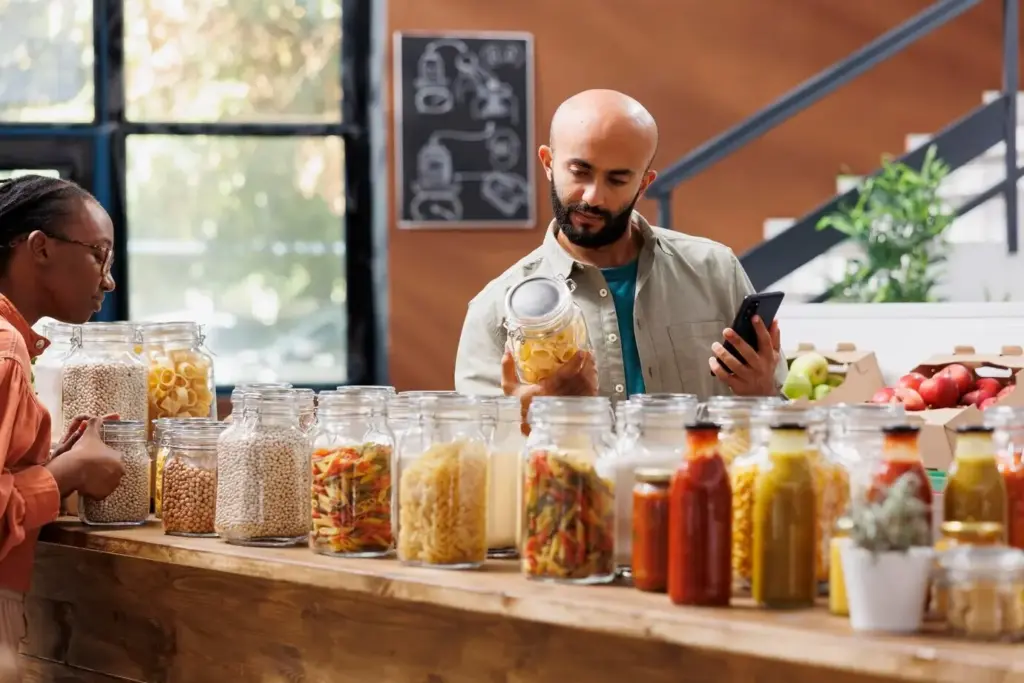
Great containers are more than pretty; they preserve freshness, reveal quantity at a glance, and stack safely in real-world kitchens. Glass offers clarity and non-porous durability, while quality food-grade plastic reduces weight for large bins. Square shapes use space more efficiently than round, and uniform heights create beautiful, stable lines. Wide-mouth openings simplify scooping and cleaning, while silicone gaskets safeguard crispness. Prioritize fit and function before aesthetics, and you’ll stop chasing trends and start building a collection that truly works.
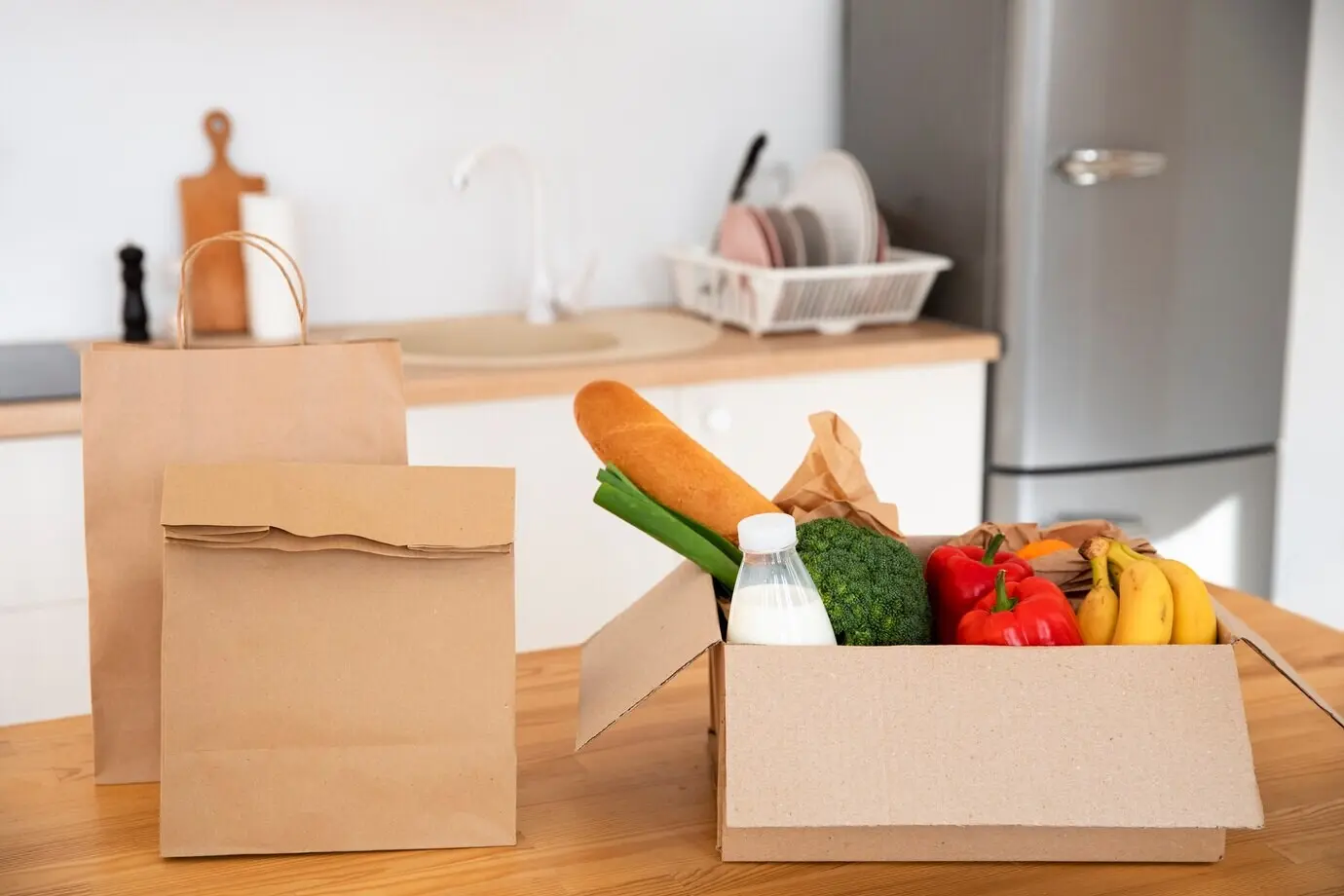
Labeling That Saves Time and Prevents Guesswork
{{SECTION_SUBTITLE}}
What to Write: Names, Dates, Ratios, and Allergen Clues
Write the full name—“steel-cut oats,” not just “oats”—and include quick ratios like 1:3 oats to water. Add a decant date and a best-by reminder so rotation stays honest. Note allergens or cross-contact risks for mixed households. Include grind level or roast for coffee, soak times for beans, and bake temps for flours you love. These tiny lines eliminate mid-recipe panic, guide guests kindly, and protect health while making your pantry feel like a friendly, well-edited cookbook.
Design Basics: Fonts, Contrast, and Label Placement That Works
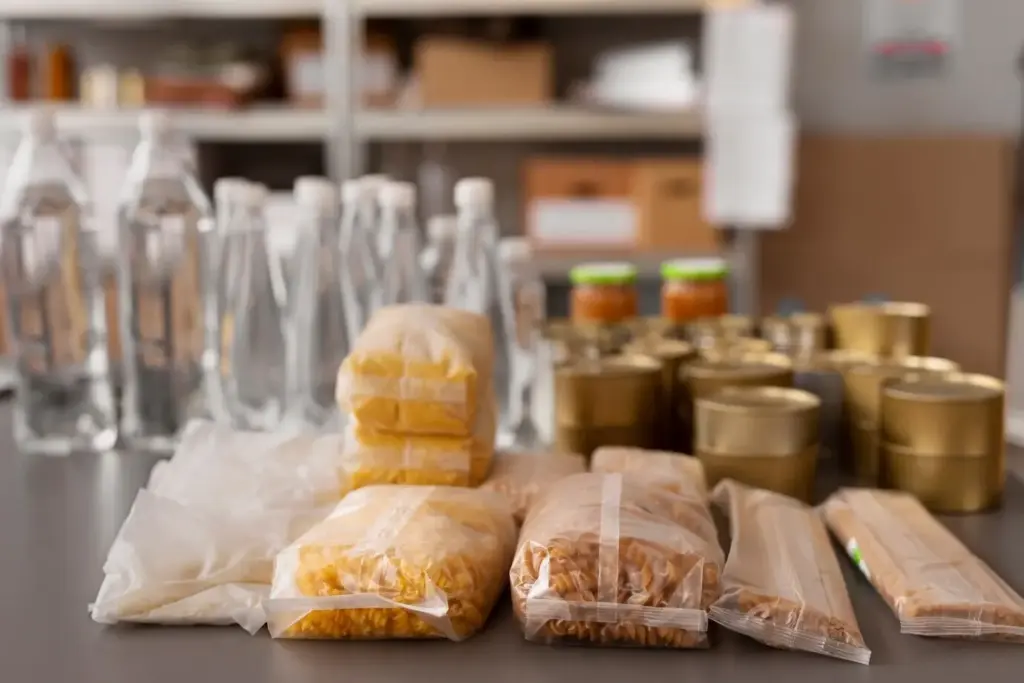
Pick a clean, high-contrast font that reads from a few feet away, especially in dim corners. Place labels consistently—front center for jars, lid tops for stacked containers—so eyes find answers fast. Avoid extra-cute scripts that blur under kitchen light. Consider color-coding by zone, like blue for breakfast, green for grains, and gold for baking. When design supports legibility and repetition, even hurried mornings feel calmer, because your labels speak clearly without shouting or demanding precious attention.
Layout and Flow: Make Every Scoop Effortless
Design your pantry like a friendly workstation where movement is predictable and tools are nearby. Place everyday grains at eye level, baking in the next band, and lighter snacks up high. Assign corners to rarely used items. Use risers to reveal jars in the back and under-shelf baskets to harness vertical air. Practice FIFO—first in, first out—by decanting new stock behind existing portions. The result is a quiet choreography where you reach once, scoop once, and smile every single time.
Zones, Golden Heights, and the Reach of Small Hands
Create zones that mirror real routines: breakfast, baking, pastas and grains, coffee and tea. Keep the “golden zone” between shoulders and hips for most-used items. If kids help, reserve a low shelf for snacks or cereal with sturdy containers. Consider left-to-right flow that matches how you cook, placing oils, grains, and seasonings in order. Zones reduce wandering and second guesses, so family members naturally return items where they belong without reminders or elaborate chore charts.
Vertical Tricks: Risers, Under-Shelf Baskets, and Tiered Stacking
Stack carefully with uniform heights to avoid wobbles and lost lids. Risers bring hidden rows into view, while under-shelf baskets capture lightweight items like wraps and tea. Try tiered stacking for spice jars so labels remain readable. If shelves are deep, place duplicates behind their twins, not in another zone. Use shallow bins to group small bags awaiting decanting. By turning empty air into useful space, you gain capacity without new furniture, keeping the system tidy and calm.
FIFO Made Simple: Refill Rituals and Visual Cues
First in, first out thrives when the system is obvious. Place new stock behind or beneath current contents, and add a small dot to labels when you refill. When the dot reaches a corner, it reminds you to check dates. Keep funnels and a scoop nearby so refilling feels quick. A short weekly ritual—five minutes max—prevents stale nuts, doubles, and mysterious bags. Over time, FIFO becomes second nature, saving money and preserving that delightful just-opened crunch.
Safety, Freshness, and Cleaning Routines
Great organization supports food safety and lasting freshness. Keep allergens segregated and clearly marked. Protect light-sensitive spices and coffee from direct sun. Wash jars between changes, dry fully to avoid trapped moisture, and check gaskets for wear. Store silica gel packets with snacks that lose crispness fast. Track shelf life: whole grains last months, nuts prefer cool darkness, and ground flours fade quicker than kernels. Simple routines turn caution into confidence, letting you shop in bulk with zero anxiety.
Habits, Refills, and Community Inspiration
Weekly Five-Minute Sweep That Keeps Everything Honest
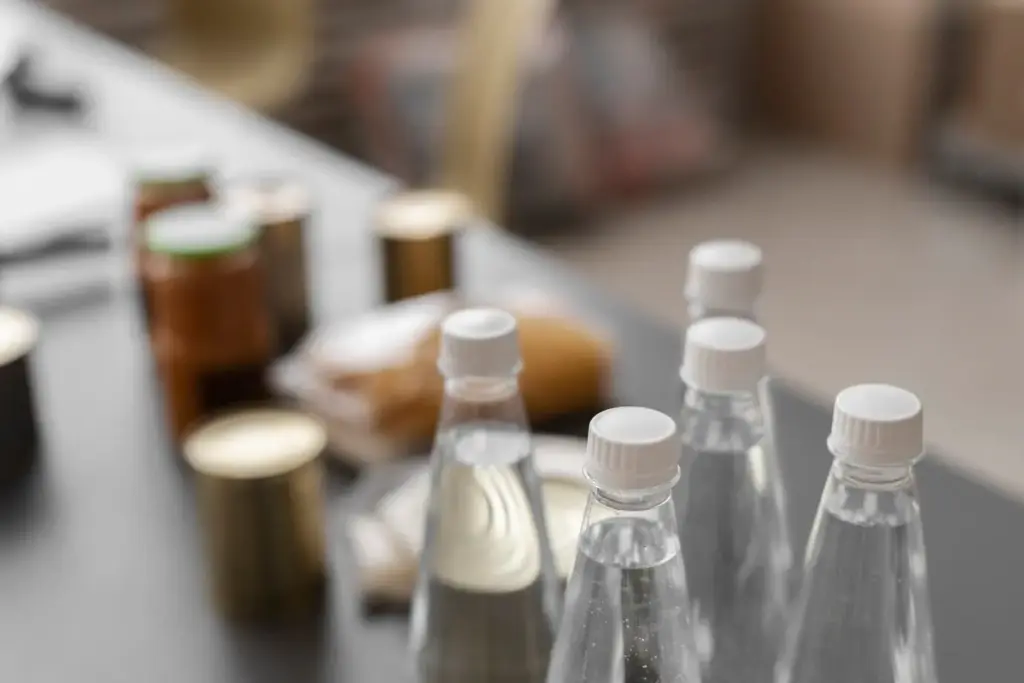
Set a timer for five minutes and scan levels, dates, and stray packets. Move near-empty jars forward, toss obvious stale snacks, and check the shopping list. This tiny investment prevents dreaded mid-recipe discoveries. In one reader’s kitchen, five-minute Fridays ended constant grocery dashes and reclaimed calm dinners. The ritual is short enough to repeat, gentle enough to enjoy, and powerful enough to keep your jars relevant and your labels speaking the truth every single week.
Refill Stations, Scoops, and Funnels That Encourage Participation
Place a compact refill station on a nearby counter or cart with scoops, funnels, a brush, spare gaskets, and labels. When tools live together, anyone can help without hunting. Clear instructions—like ratios or where new stock hides—turn refills into a quick, satisfying task. One family added a kid-height scoop for oatmeal; breakfasts improved overnight. When participation feels easy and a bit fun, your system stops depending on one person and becomes a household habit that lasts.
Share Photos, Swap Ideas, and Celebrate Waste-Free Wins
Post a snapshot of your favorite jar lineup or the label design that finally reads perfectly from across the room. Ask your questions and compare layouts with readers who cook like you. Share how FIFO saved your pecans or how tinted glass rescued chili flakes. Celebrate budget victories, reduced packaging, and creative reuses. Your story may guide a neighbor toward calmer mornings and tastier meals. Subscribe, comment, and nudge us with topics you want explored next, deeper and brighter.
All Rights Reserved.