Cook Smart, Waste Less Every Week

Today we dive into meal planning with bulk ingredients to cut packaging waste, turning everyday cooking into a practical way to reduce trash while saving money and time. Expect step-by-step guidance, clever substitutions, and real-life stories that make changes feel friendly and achievable. You will learn how to build a flexible pantry from bulk bins, design simple menus, and store food without plastic. Join us to cook confidently, eat deliciously, and keep far fewer wrappers in the bin.

Foundations for a Package-Light Kitchen

A successful shift begins with small observations and repeatable habits. By noticing what you throw away most, aligning meals with your schedule, and stocking a few multipurpose staples, you build a reliable base that eases weekday pressure. This approach does not demand perfection; it rewards steady progress. Each choice—beans instead of cans, rice instead of single-serve pouches—quietly lowers waste while improving flavor, nutrition, and budget consistency.

Audit What You Toss

Collect your recyclables and trash for one week and quickly sort by packaging type. Patterns appear fast: snack wrappers, salad clamshells, or small grain bags. Replace the frequent offenders first with bulk-bin alternatives and simple prep routines. Celebrate each swap, like buying oats in bulk and soaking overnight, because momentum grows when small victories brighten everyday routines and show tangible changes inside your kitchen bin.

Define Your Staples

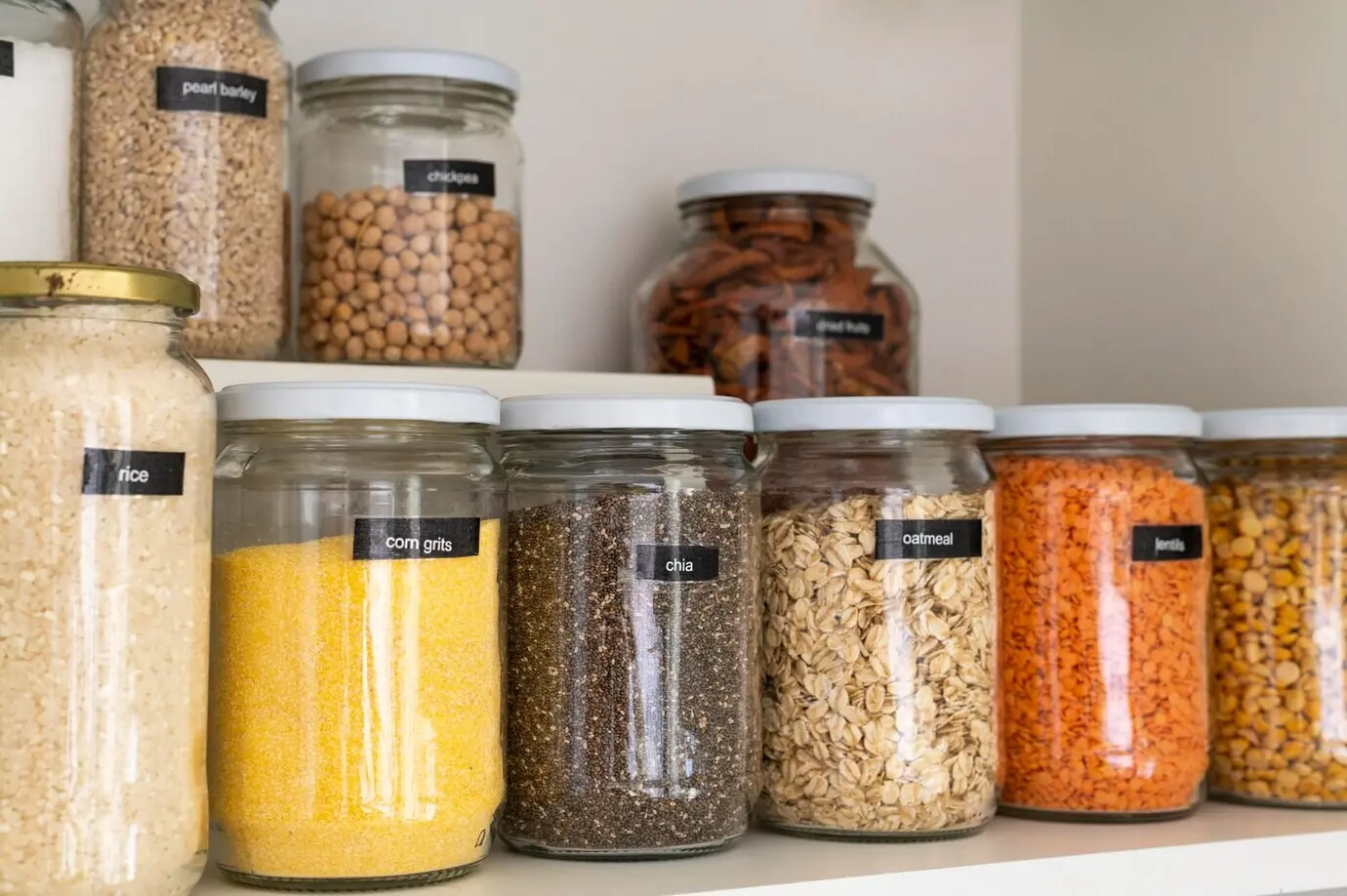
Choose five to eight bulk staples that anchor many meals: rice, lentils, oats, chickpeas, pasta, and a couple of nuts or seeds. Add flavor bases like onions, garlic, dried spices, and tomato paste in larger containers. These ingredients interlock beautifully, supporting soups, bowls, salads, and bakes. Fewer packages enter your home, planning becomes faster, and grocery lists shrink to essentials that truly move your meals forward.

Grains, Legumes, and Flavor Anchors

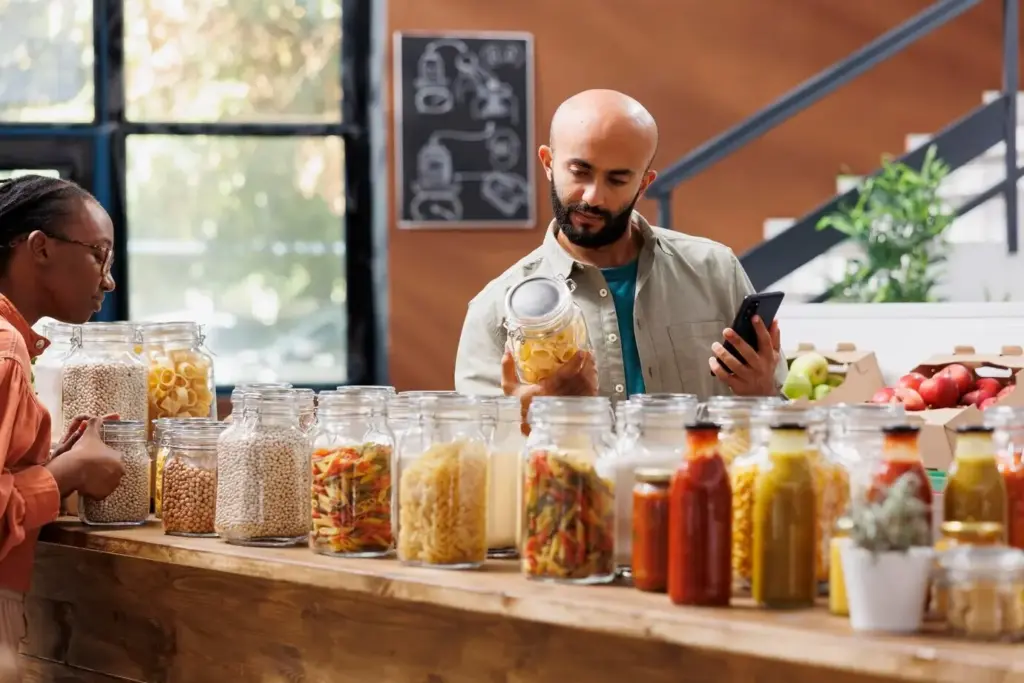
Mix reliable workhorses like brown rice, quinoa, farro, and barley with lentils, chickpeas, and black beans for abundant variety. Add flavor anchors—bouillon powder in glass, dried mushrooms, sun-dried tomatoes, and nutritional yeast—to quickly elevate simple bowls. These elements combine effortlessly, turning bulk staples into fragrant pilafs, hearty soups, and fiber-rich salads that feel fresh and satisfying without constant store runs or wasteful packaging.

Herbs, Spices, and Umami Boosters

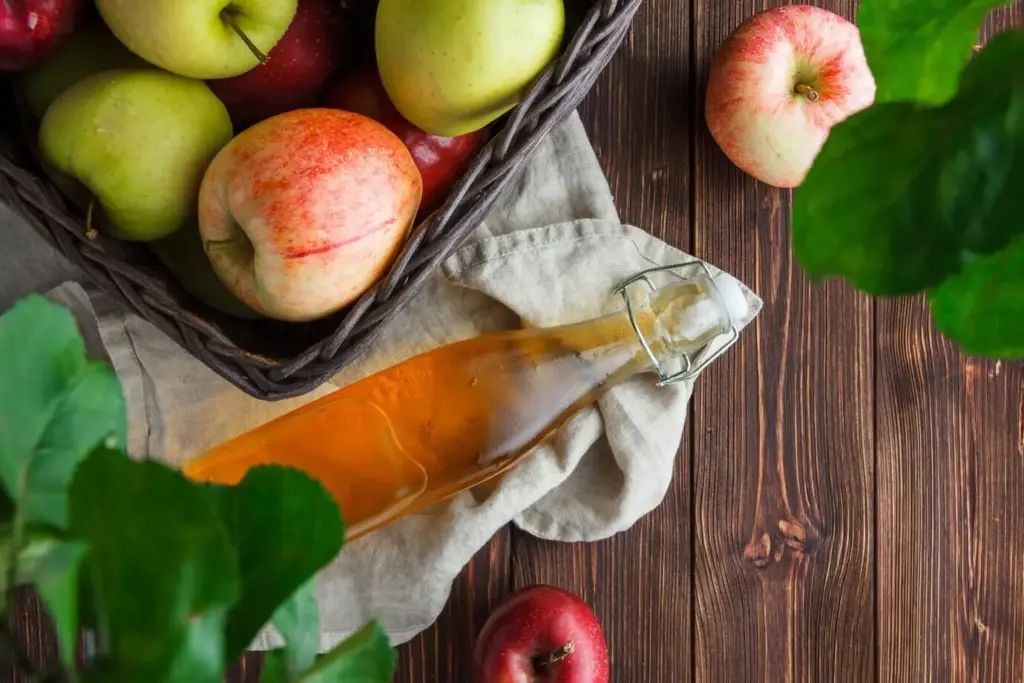
Buy spices from refill stations when possible, prioritizing cumin, smoked paprika, turmeric, chili flakes, and cinnamon. Round out savory depth with miso, tamari, and vinegar in larger bottles. A small scoop of spice blend can transform lentils into smoky stew or rice into golden pilaf. These concentrated flavors ensure your bulk staples never taste repetitive, encouraging consistent use and preventing forgotten jars from lingering unused.

Shopping Smarter at Bulk Bins and Markets

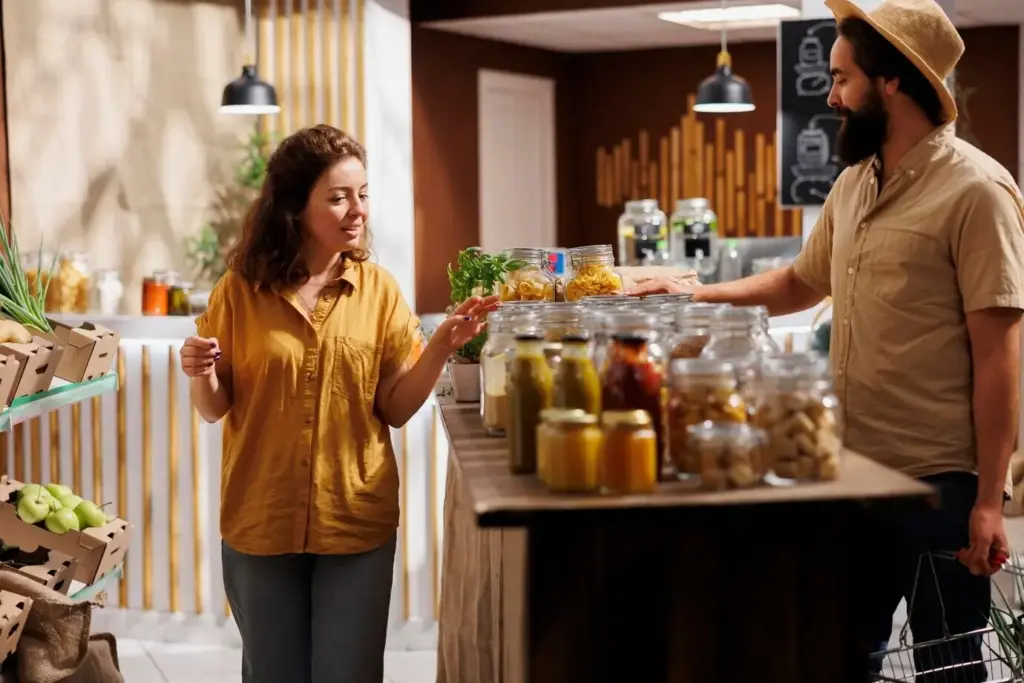
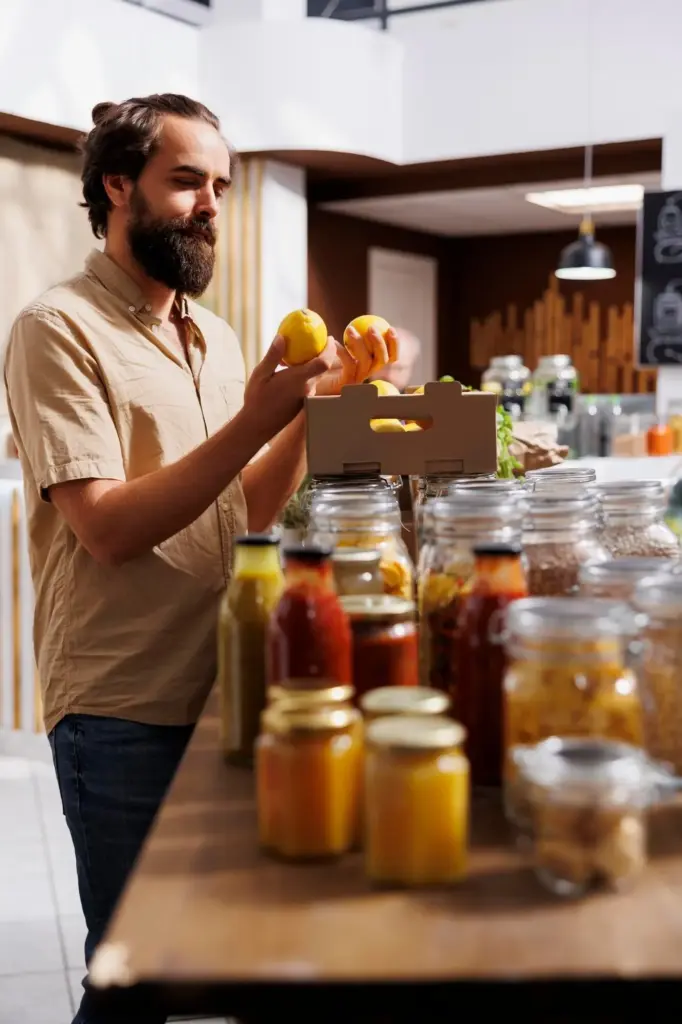
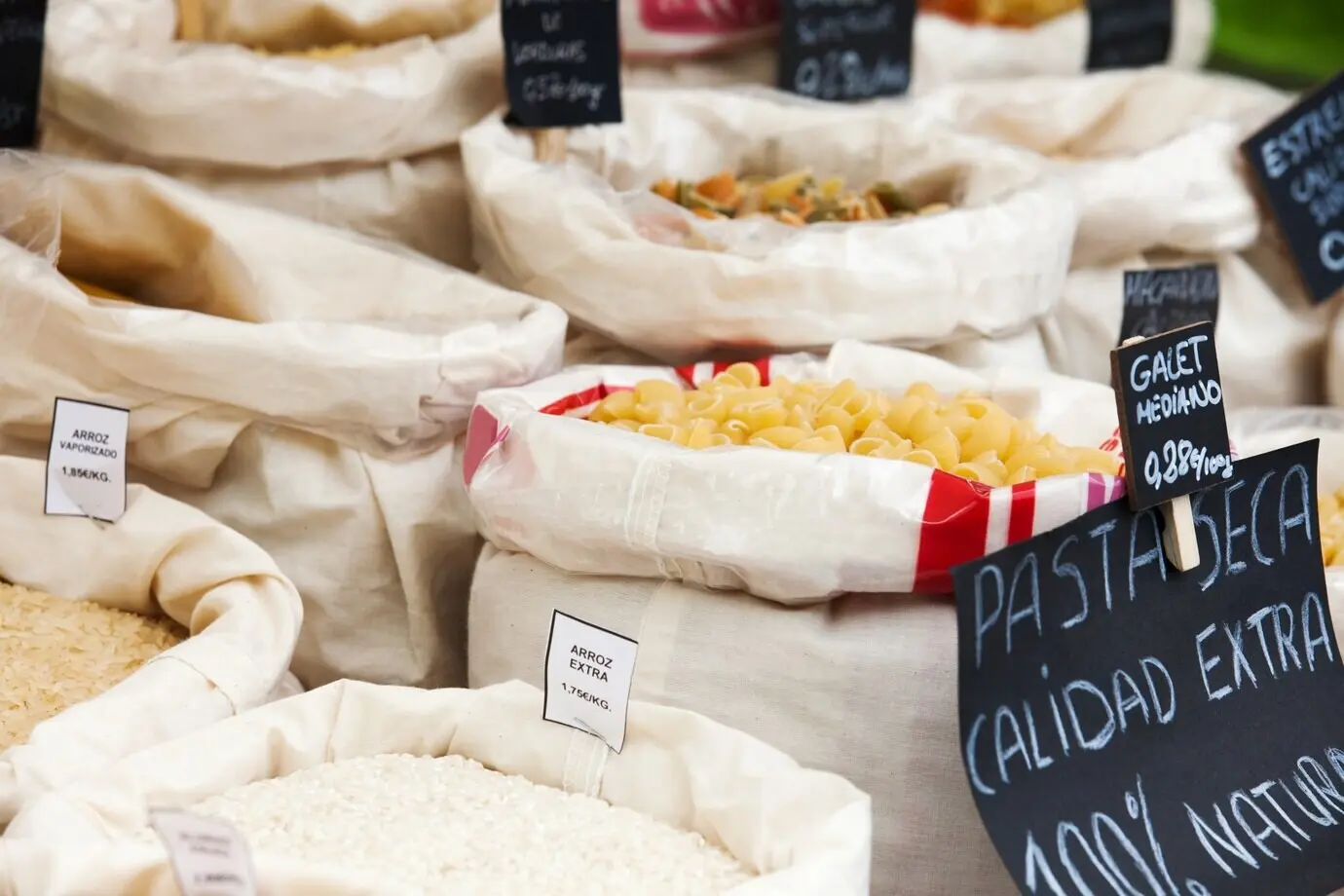
Shopping becomes more intentional when you bring containers, know tare weights, and understand product turnover. With a short list, you can glide through bulk aisles and farmers’ markets, avoiding last-minute prepackaged fillers. Ask vendors how often bins are refreshed, check for local options, and taste when allowed. Consistency builds relationships, ensures quality, and shrinks packaging dramatically, all while strengthening community connections that make sustainable habits feel rewarding and personal.

Batch Cooking and Storage Without Plastic

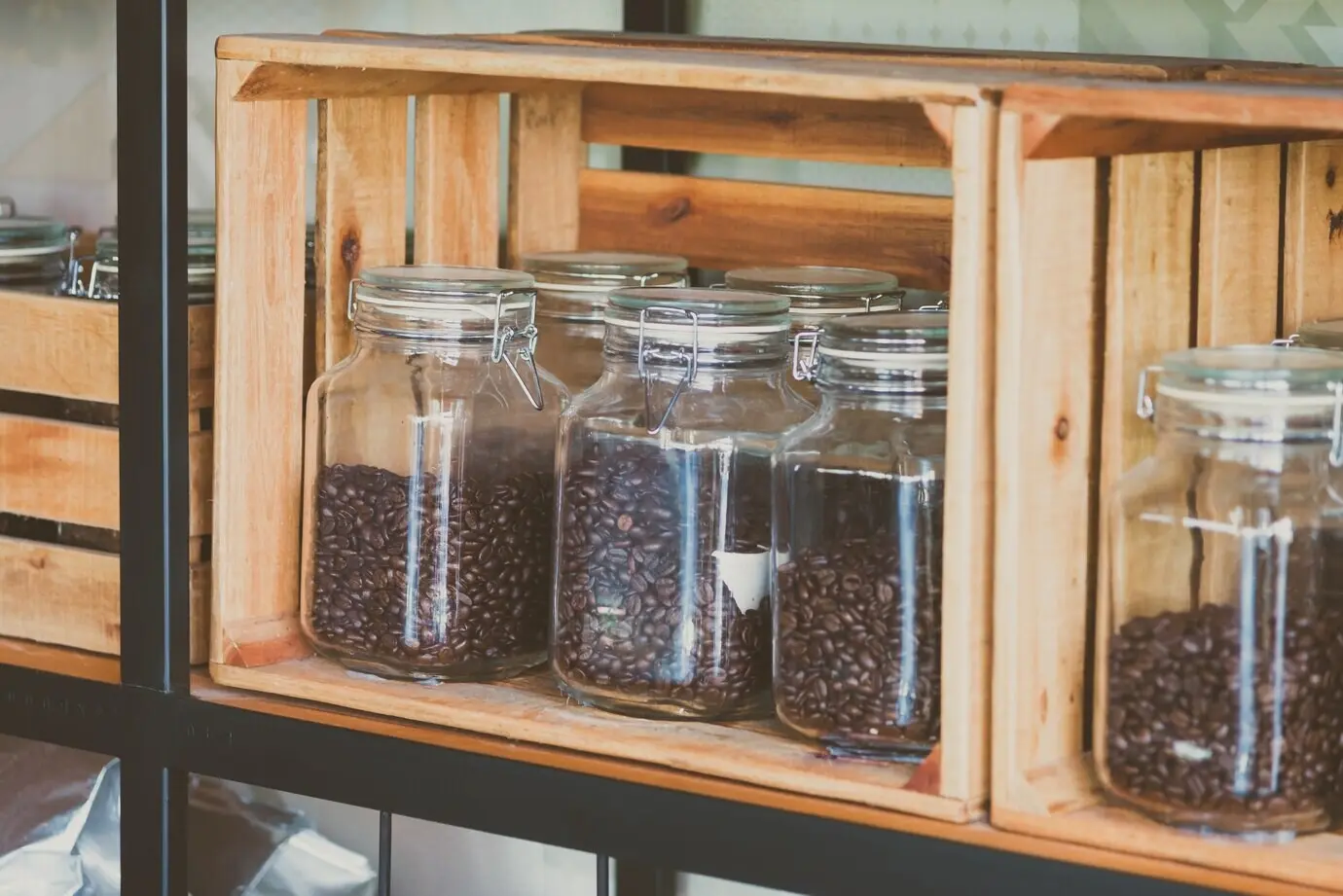
Cooking in batches magnifies the benefits of bulk buying while minimizing packaging-heavy last-minute meals. Prepare big pots, cool quickly, and store in glass or stainless steel. Label with painter’s tape for easy removal and clear rotation. Choose stackable shapes that fit your fridge and freezer, and learn quick reheat methods that preserve texture. The result is comforting food ready when you are, without a mountain of single-use containers.
Make a base pot of beans, a tray of roasted vegetables, and a grain pilaf. On day two, transform leftovers into a spiced stew with coconut milk; on day three, fold into tacos with bright slaw. Layer sauces and herbs differently each time. This rhythm reduces decision fatigue, slashes packaging, and keeps meals satisfying, colorful, and balanced throughout the busiest stretches of your week.
Cool large pots quickly by dividing into shallow containers and placing them on a trivet to release steam. Portion single or double servings for flexible reheats, then label with name and date. Painter’s tape and a marker make it painless. Consistent labeling prevents mystery jars, supports safety, and helps you actually eat what you cook, reducing waste and reliance on grab-and-go packaged options when energy dips.

Weekly Menus and Creative Leftovers

A flexible menu strengthens follow-through and reduces rushed, packaged purchases. Plan around what you already have, then fill gaps at bulk bins and markets. Write a short weekly lineup, leave one free night for spontaneity, and assign a leftover makeover day. Creativity with sauces, herbs, and textures keeps repetition away, while sensible sequencing ensures you use fresh items first and sturdier staples later without stress.

A Three-Day Map

Start with a hearty pot of lentils, roasted carrots, and a grain base. Day one: bowl with tahini lemon sauce. Day two: lentil sloppy joes on toast with pickled onions. Day three: soup by blending leftovers with stock and spices. This light structure limits packaging-heavy takeout temptations, encourages full use of ingredients, and still leaves room to adapt when cravings or schedules change unexpectedly.

Creative Crossovers

Transform cooked beans into burger patties with oats and spices, or fold roasted vegetables into a frittata. Repurpose rice into arancini or fried rice with a handful of frozen peas. A spoon of harissa or miso instantly reinvents a familiar base. These crossovers protect your budget, reduce packaging, and build confidence that nothing sits idle, turning yesterday’s effort into today’s exciting meal without extra shopping.

When Plans Change

Life happens, and that is okay. Freeze half a batch early or shift delicate produce into quick pickles to extend life. Swap a planned stew for a fast stir-fry if time vanishes. Keep a couple of ready-to-blend sauces and pre-cooked grains on hand. Flexibility means fewer emergency packaged purchases and more satisfaction, because your kitchen supports you even when the week reshuffles without warning.

Balanced Plates from Bulk Staples

Aim for a trio on each plate: complex carbs, protein, and colorful plants. Brown rice with lentils and sautéed greens checks all boxes; quinoa with chickpeas and roasted peppers does too. Add healthy fats from nuts, seeds, or olive oil. Season generously so nourishing food excites you. Sustainable habits stick when meals taste great, feel satisfying, and remain practical on busy nights without expensive packaged shortcuts.

Cost Per Serving Clarity

Track bulk prices by weight and divide by the servings you typically get. A two-pound bag of lentils stretches remarkably far, especially compared to canned portions. Noting cost per serving reveals the impact of small swaps, helping you prioritize staples with the best value. Over a month, these tiny advantages compound into meaningful savings, making low-waste cooking a clear financial win alongside environmental benefits.

Time-Saving Rituals

Create a 30-minute Sunday routine: soak beans, rinse grains, and mix a quick sauce. Set a midweek reset for chopping produce and refilling jars. Place your container kit near the door to remember it. These rituals are light lifts with outsized rewards, preventing last-minute packaged purchases and helping the household eat well with less stress, fewer dishes, and a calmer evening rhythm that truly lasts.

Motivation, Community, and Everyday Momentum

Sustainable cooking thrives with encouragement and shared ideas. Swap recipes with friends, trade spice blends, and celebrate small wins, like finishing a jar of oats without a single disposable bag. Stories make habits stick: the neighbor who cut trash in half, the coworker who discovered five lunches from one pot. Keep learning, keep experimenting, and keep cheering each other on. Progress feels joyful when done together.

Tiny Wins, Big Momentum

Notice how one habit leads to another: bringing jars for rice prompts you to try beans; labeling leftovers encourages consistent lunches. Each step reduces packaging and builds confidence. Record your wins in a note, celebrate with a special meal, and invite conversation at the table. These moments anchor your motivation and make the routine rewarding, not rigid, turning good intentions into comfortable, lasting practice.
Invite Family and Friends

Make bulk-based meals shareable and fun: a grain bowl bar with toppings, a big pot of chili with cornbread, or a dumpling night using leftover vegetables. When others enjoy the results, your commitment strengthens. Offer to bring a jarred sauce to gatherings, and trade refilling tips. Collective enthusiasm spreads faster than rules, keeping the focus on flavor, ease, and the simple joy of cooking together.
Share, Subscribe, and Speak Up

Tell us what worked in your kitchen this week, what you struggled with, and which bulk swaps surprised you. Share photos of your container kit or pantry setup, and subscribe for new guides, seasonal menus, and fresh ideas. Your questions shape future posts, your tips inspire others, and together we build a kinder kitchen culture that values good food, less waste, and practical support.
Mizozakuxerarezovezo
Privacy Overview

This website uses cookies so that we can provide you with the best user experience possible. Cookie information is stored in your browser and performs functions such as recognising you when you return to our website and helping our team to understand which sections of the website you find most interesting and useful.