Waste Less, Make More: Homemade Stocks, Nut Butters, and Plant Milks

Turn everyday essentials into delightful kitchen rituals that cut packaging and boost flavor. We’ll explore how to craft rich stocks from scraps, ultra-smooth nut and seed butters from bulk buys, and creamy plant milks without cartons, while keeping costs reasonable and techniques approachable. Expect science-made-simple, step-by-step guidance, and real-world stories from home cooks. Start with what you have, build confidence through repeatable methods, and share your wins with friends so this practical habit becomes part of a joyful, sustainable routine you’ll actually keep.

From Scraps to Golden Broth

Broth is where thrift meets comfort. Save onion skins, leek tops, carrot peels, herb stems, and mushroom ends in the freezer, then transform them into a fragrant base for soups, grains, and sauces. By sidestepping cartons and metal lids, you keep flavor vibrant, salt adjustable, and waste minimal. We’ll cover balancing sweetness and bitterness, coaxing umami without additives, and using heat thoughtfully so your pot yields deep, clear flavor that invites improvisation all week long.

Spreadable Comfort Without the Jar

Homemade nut and seed butters are customizable, wildly fresh, and designed for reuse with sturdy containers you already own. Control roast levels for complexity, add subtle sweetness or salt precisely, and avoid palm oil or stabilizers if you prefer. With a reliable grinder and patient technique, you can reach glossy, pourable textures perfect for toast, noodles, sauces, and baking. We’ll demystify overheating, binding, oil separation, and flavor layering, turning bulk-bin staples into better-than-store creations.

Creamy Plant Milks Without the Carton

Cartons are convenient, but homemade plant milks beat them on freshness, customization, and packaging lightness. By controlling soak times, particle size, and strain methods, you can dial in foam for lattes, body for baking, and clean flavors for cereal. We’ll explore oat, almond, soy, and creative blends, while tackling slime prevention, pulp use, and fortification ideas. These methods respect limited time, modest budgets, and simple equipment, helping you keep a steady, satisfying supply on hand.

Oat Milk Without Slime: Enzymes and Ice

Use cold water, quick blends, and minimal over-processing to avoid starch release. Add ice cubes to keep temperatures low, and strain through a fine mesh or clean cloth without squeezing too hard. A pinch of salt and a date can balance sweetness. If you have diastatic malt or amylase, a touch can reduce viscosity thoughtfully. Test 30-second blends versus 60-second blends, note mouthfeel, then standardize your approach to repeatedly achieve smooth, barista-friendly oat milk at home.

Almond Milk, Zero-Waste Pulp Ideas

Soak almonds overnight, slip skins for a softer flavor, then blend with fresh water and a measured touch of sweetener if you like. Strain gently and chill promptly. Save the pulp: dry it low and slow, then pulse into flour for pancakes, brownies, or crumb toppings. Mix with nut butter and spices for quick energy bites. Label jars with dates, freeze spare portions, and track usage so every almond contributes to both convenience and delicious creativity without unnecessary packaging.

Soy Milk at Home, Foam-Friendly

Use dehulled soybeans for cleaner flavor, soak thoroughly, and cook the blend to neutralize beany notes. Skim foam during heating, then strain and chill rapidly. For cappuccino-ready microfoam, experiment with blending time and solids-to-water ratio, adding a whisper of oil if needed. Keep batches modest until your method feels repeatable. With practice, you’ll produce stable, creamy soy milk that steams beautifully, supports latte art attempts, and replaces store cartons with confidence and calmer recycling bins.

Smart Storage and Food Safety

Great homemade staples deserve careful handling. Cool broths quickly in shallow containers, leave headspace for freezing expansion, and label with clear dates. Nut butters prefer clean, dry spoons and steady temperatures to delay separation and rancidity. Plant milks need cold storage and prompt use, with small batches reducing risk. We’ll cover pasteurization options, sterilizing containers, and organizing freezers so nothing hides and expires. A little structure protects flavor, budgets, and time, keeping your efforts worthwhile and enjoyable.

Cost, Footprint, and Taste: A Quick Reality Check

What You Save and What You Spend

Savings come from bulk ingredients, fewer impulse buys, and longer shelf-life planning. Costs include initial tools, electricity, and practice batches. Add up cartons avoided, jars reused, and meals stretched by broth. Note sensory benefits that drive you to cook more at home. Over time, these habits convert into routine efficiencies, improving both budget and satisfaction. Choose battles wisely: start with the staple your household drinks or spreads daily, then expand once the rhythm feels natural.

Packaging Math: Glass, Carton, and Bulk Bins

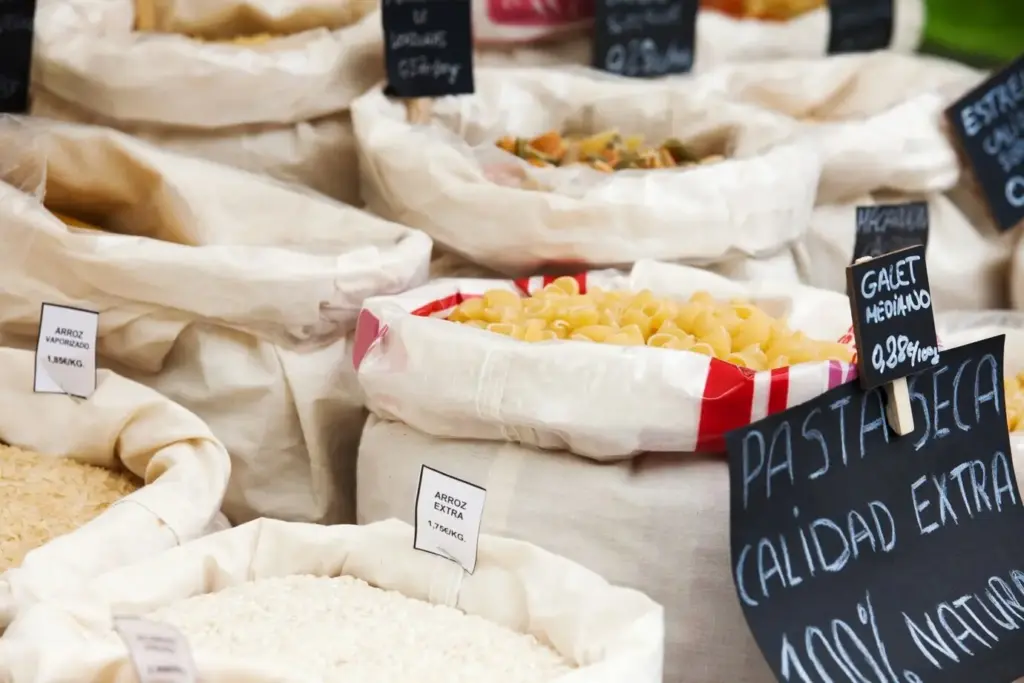
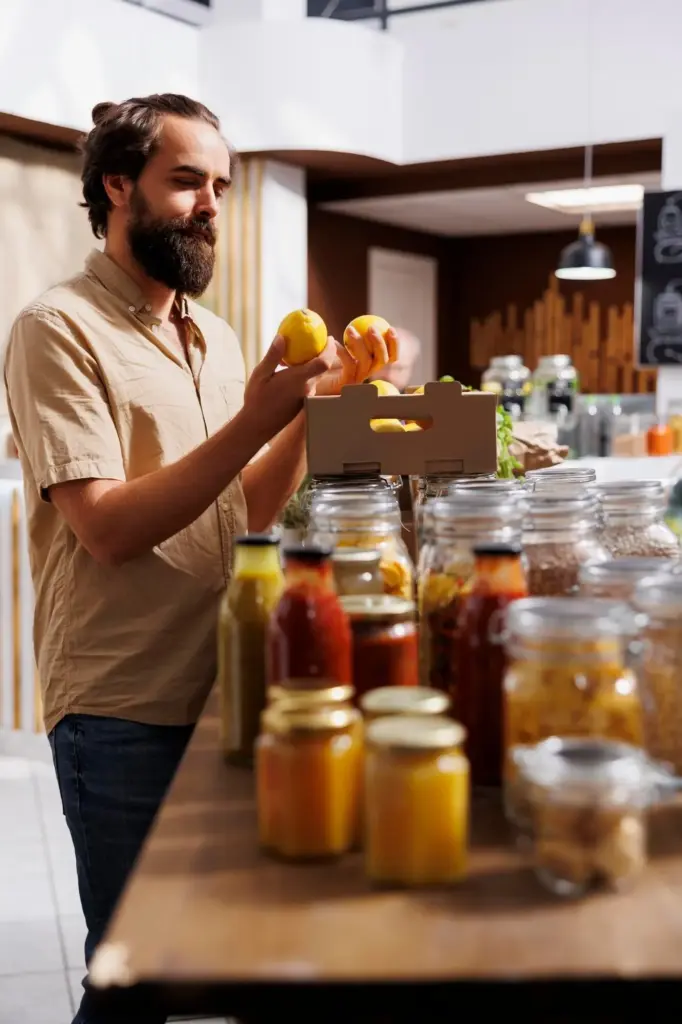
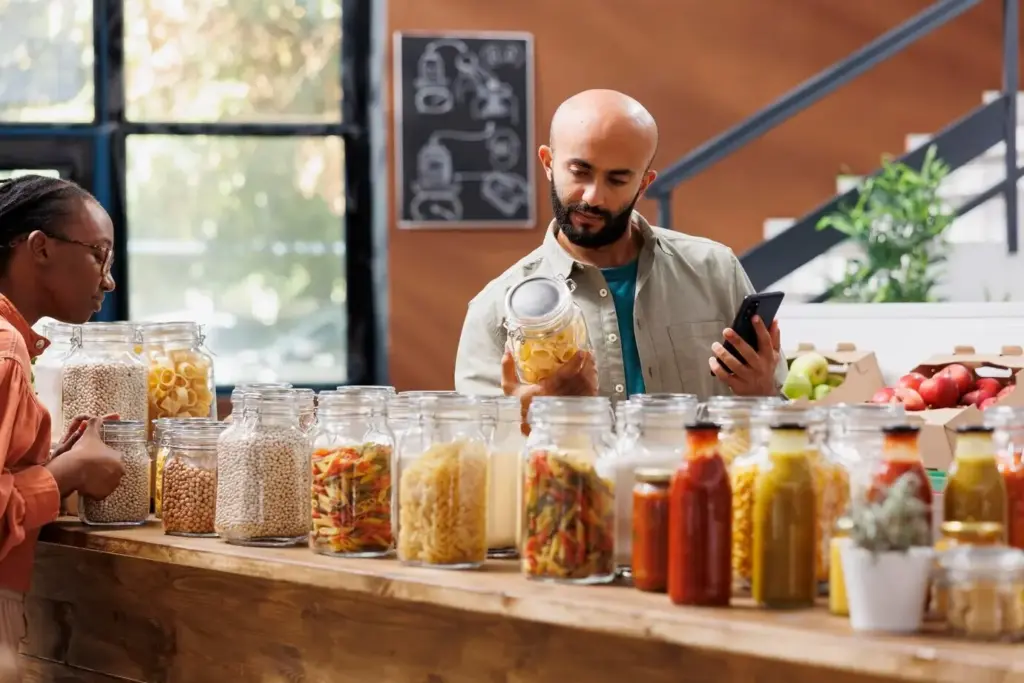
Not all containers are equal. A sturdy jar reused for years often beats a single-use carton, especially when rinsing and recycling pathways are inconsistent locally. Bulk bins reduce upstream packaging, though bring your own bags or containers for best impact. When comparing, include transport and storage. Measure actual waste leaving your home monthly. Those numbers tell a clearer story than assumptions and help pinpoint which homemade staples provide the largest, most satisfying reduction for your context and constraints.

Flavor Payoff: Freshness You Can Hear

Listen to broth sputter as it meets hot aromatics, feel a spoon glide through glossy peanut butter, and notice how fresh oat milk lifts morning coffee. That immediate sensory feedback matters. When staples taste fantastic, you naturally reach for them, cooking more from scratch and relying less on packaged options. The delicious cycle feeds itself: better input, happier meals, fewer last-minute purchases. Track favorite recipes where homemade shines, then repeat them often so momentum stays alive and encouraging.

Tools That Earn Their Keep

You don’t need a showroom kitchen. A sturdy pot, a reliable blender or processor, a fine strainer, and clean containers carry most of the workload. A pressure cooker speeds stock nights, while a nut milk bag or tightly woven cloth improves clarity. Choose multipurpose tools that store compactly and clean easily. We’ll map equipment to tasks, discuss noise levels and motor heat, and share maintenance tips that extend lifespans, protecting both budgets and the planet’s patience.

Rituals, Community, and Momentum

Sustainable habits stick when they feel rewarding and social. Make broth on Sunday while podcasts play, grind nut butter during a midweek lull, and blend milk before breakfast. Share a jar with a neighbor, trade almond pulp cookies for garden herbs, and swap methods in group chats. Invite kids to label containers and choose flavors. Celebrate small wins, like two cartons avoided this week. Your kitchen becomes a community engine, turning simple staples into ongoing, collective nourishment.

Weekend Prep Stories that Stick

Set a timer, light a candle, and give yourself ninety minutes for simmering, blending, and labeling. Put on a favorite album and snap a photo of your cooling broth lineup. These rituals anchor memory, making next week easier. Invite a friend to co-cook online, exchanging tips as you go. Record two tweaks you’ll test next time. Repeat for a month and watch grocery trips shrink, while confidence grows alongside a calmer, more intentional pace in your home.

Share, Swap, and Learn Together

Host a micro-swap: one person brings oat milk, another nut butter, someone else stock. Trade half-pint jars and feedback. Share your dependable ratios and time-saving notes in a message thread or community forum. Ask readers for their best pulp recipes and spice ideas, then compile favorites into a living document. Collective wisdom removes guesswork, reduces duplicate experiments, and boosts enthusiasm. Invite photos, tag friends, and build a small circle that keeps everyone inspired to continue happily.
Mizozakuxerarezovezo
Privacy Overview

This website uses cookies so that we can provide you with the best user experience possible. Cookie information is stored in your browser and performs functions such as recognising you when you return to our website and helping our team to understand which sections of the website you find most interesting and useful.