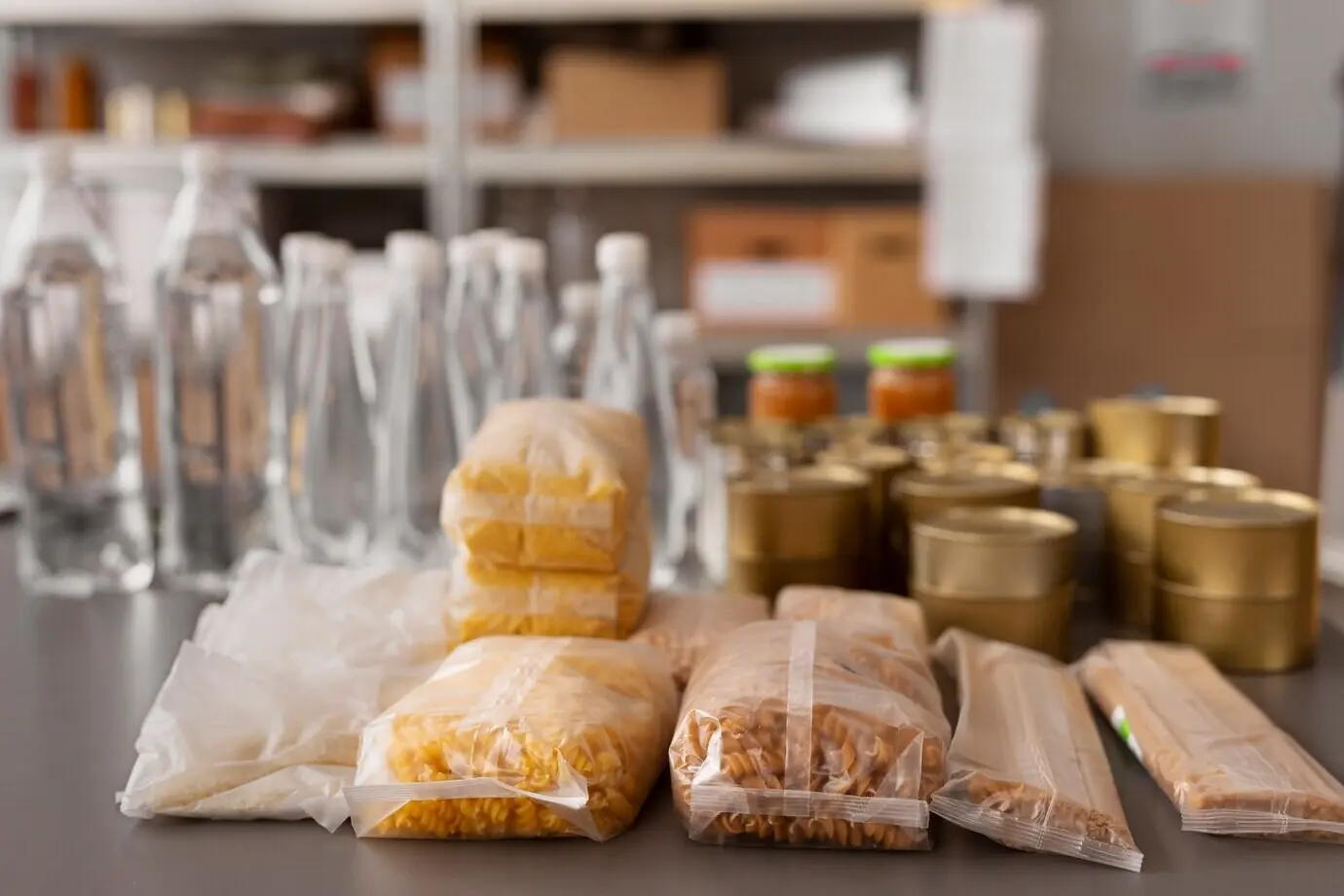
Shop Smarter, Waste Less, Eat Better
Today we explore how to shop refill and bulk stores for pantry essentials, focusing on practical steps that save money, reduce packaging, and improve freshness. You’ll learn the essentials of planning, containers, tare, quality checks, storage, budgeting, and recipes, with friendly stories, clear examples, and easy prompts that help you build confident, low-waste habits without feeling overwhelmed.
Audit Your Shelves
Open your cupboards and note what’s low, what’s stale, and what you always run out of. Group by grains, legumes, baking, and snacks to reveal gaps clearly. This simple audit prevents duplicates, minimizes food waste, and makes choosing bulk items feel purposeful, calm, and grounded in real needs.
Quantity Planning That Fits Real Life
Plan amounts around actual recipes and weekly habits, not wishful thinking. If you cook oatmeal three mornings per week, calculate portions for exactly that, then add a small cushion. Right-sized quantities keep ingredients fresh, reduce clutter in jars, and protect your budget from oversized purchases inspired by impulse.
Containers, Tare, and Labels That Work
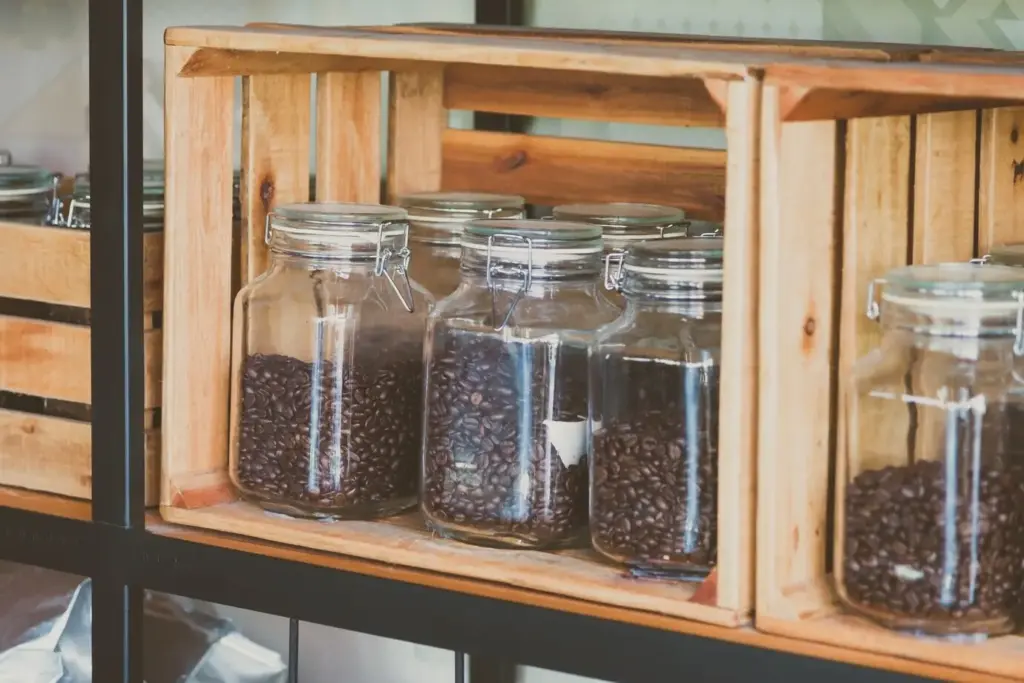
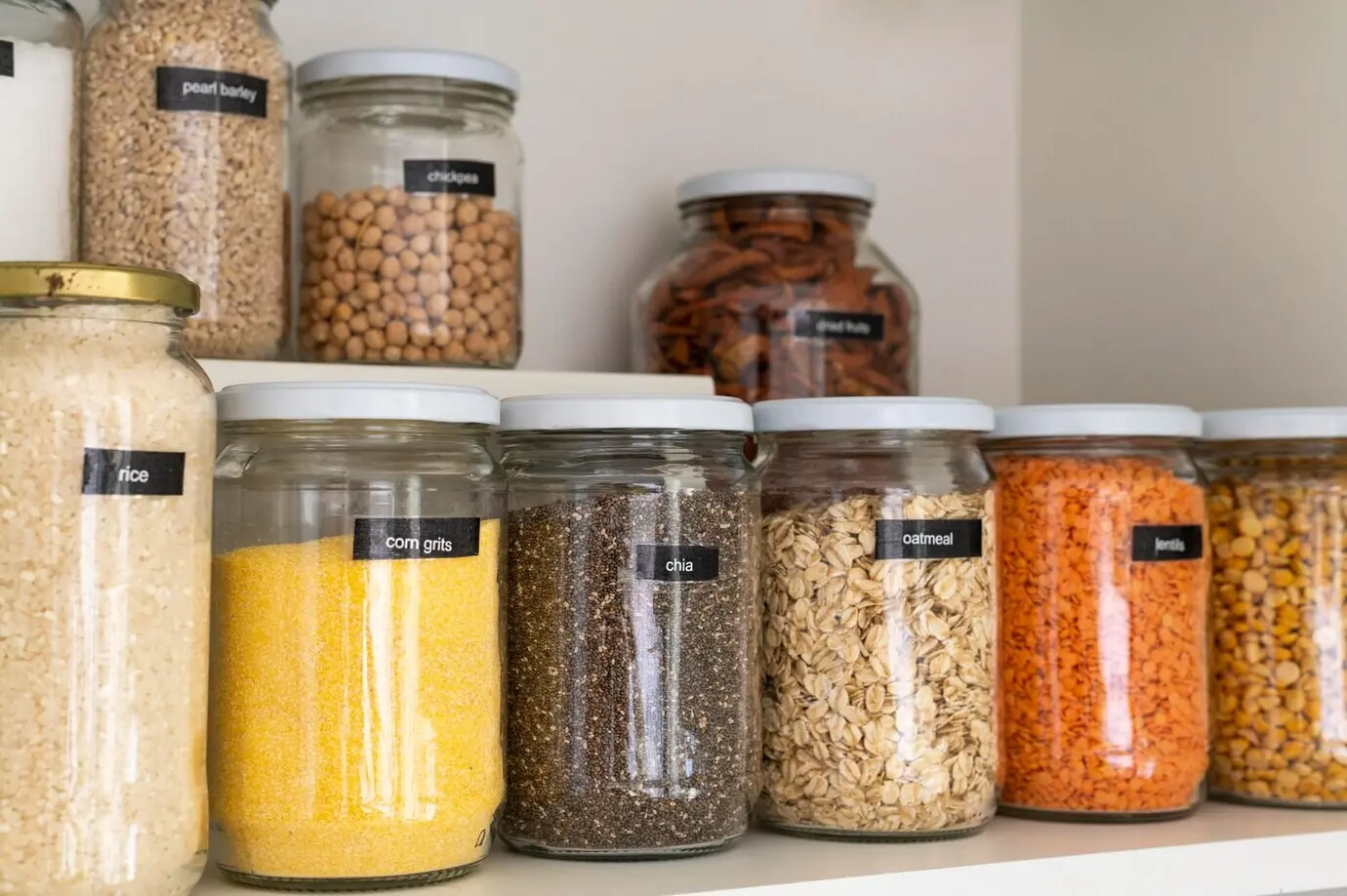
Durable containers make the experience smoother and cleaner. Choose jars for dry goods, lightweight tins for tea, and silicone bags for snacks or spices. Clean thoroughly, dry completely, and weigh each empty container’s tare. Clear, consistent labels prevent mix-ups at home and keep your pantry visually organized and inviting.
Pick Containers With Purpose
Match container to product to avoid messes and stale results. Wide-mouth jars are ideal for grains and beans; airtight canisters preserve nuts; dark bottles protect oils from light. Prioritize stackability, leak resistance, and easy cleaning. A few versatile options outperform many mismatched pieces that complicate everyday cooking.
Tare Weight Without the Headache
Arrive early, ask staff to tare containers, and record tare weights on lids with a small piece of tape. Photograph the tare next to the container to avoid confusion later. Knowing tare precisely speeds checkout, prevents overpaying, and supports transparent pricing that builds trust and confidence with each visit.
Labels You’ll Actually Read Later
Use waterproof tape or reusable tags to note product name, purchase date, and cooking ratio if relevant. Add allergen notes or preparation tips like rinse, soak, or toast. Consistent labeling transforms shelves from a guessing game into a reliable reference, making weekday cooking faster, safer, and far more enjoyable.
Freshness, Quality, and Safety
Great refill experiences balance flavor with hygiene and informed choices. Look for high turnover on popular staples, clean scoops, well-sealed dispensers, and clear allergen signage. Ask staff about sourcing and roasting dates for coffee or nuts. Handle bins carefully, avoid cross-contact, and store perishables promptly after purchase.
Stretch Your Budget Without Compromise
Refill and bulk shopping shines when you buy precise quantities and compare unit prices fairly. Look past total cost to true cost per weight or volume. Favor staples with consistent turnover, track spending trends, and let seasonal availability guide experiments while keeping core pantry items comfortably affordable and fresh.

Compare Unit Prices Fairly
Note price per 100 grams or per ounce across packages and bulk bins. Some items are cheaper in bulk; others match or exceed packaged costs. Balance price with freshness, packaging reduction, and flavor. Paying slightly more for peak quality can save money by reducing spoilage, boredom, and takeout cravings.

Buy Just Enough
The power of bulk lies in right-sizing purchases. Start small for new ingredients and scale up only after you love them and know usage patterns. This approach respects both budget and taste, ensuring your jars hold foods you actually cook, not relics of ambitious, unused culinary experiments.
Track Costs the Easy Way
Keep a simple note on your phone with ingredient name, unit price, and date. Over time, you’ll spot trends, seasonal dips, and the best moments to stock up. This quick habit shrinks decision fatigue, encourages thoughtful planning, and transforms checkout totals into predictable, calmly managed numbers.
Less Packaging, More Freedom
By bringing your own containers, you skip outer boxes, inner bags, and throwaway seals. That means fewer recyclables and trash, plus cleaner shelves. The freedom to buy exact amounts reduces food waste and transport weight, aligning planet-friendly choices with daily convenience that genuinely simplifies your kitchen routines.
Local Connections, Real Impact
Many refill shops partner with nearby roasters, millers, or makers. Your purchases support regional jobs, fresher products, and faster feedback loops when quality needs attention. Meet the people behind your staples, join a tasting, or follow sourcing updates. Transparency strengthens trust and makes every meal feel more meaningful.
Mindful Quantities Beat Overhauls
You do not need a perfect zero-waste pantry to make progress. Start with one recurring item—maybe coffee, rice, or dish soap—and build from there. Celebrate small, consistent wins that stick. Sustainable habits grow naturally when they respect budgets, schedules, and the flavors your household already loves.
Sustainability You Can Feel
Refill shopping reduces single-use packaging, encourages mindful quantities, and supports transparent supply chains. Each jar replaced prevents plastic waste and clutter at home. Even small shifts—like buying oats, rice, and beans unpackaged—compound into measurable impact, inspiring friends, family, and local businesses to adopt practical, community-centered sustainability habits.
From Bulk Bin to Dinner Table
Turn fresh staples into easy, craveable meals that prove the value of refill shopping. Batch-cook components, lean on versatile spice blends, and keep quick recipes ready. Share successes with friends, ask for favorite pairings, and let your pantry evolve with curiosity, joyful experimentation, and zero pressure for perfection.
All Rights Reserved.